
At lunch the restaurant sells office set meals, in the evening it sells set menus for two and family sets, and at weekends it adds combos of a main dish with a drink. Selling this way is fast and makes pricing easy, but many restaurants set up a set as an ordinary dish: one name, one price. The result is that the kitchen gets a ticket saying "Set B x2" without knowing what is in it, stock does not deduct the ingredients of each dish, and when a guest asks to swap the sour soup for vegetable soup the cashier has to edit by hand and add a note. Set menus and combos need to be set up the right way so the kitchen, the stockroom and the counter all understand the same thing.
How a set menu differs from a combo
| Set menu | Combo | |
|---|---|---|
| Dishes inside | Fixed, set up in advance by the restaurant | The guest chooses within each group of dishes |
| Suits | Lunch sets, set meals, small party sets | Choosing a main, a side and a drink to the guest's taste |
| Set up in the software | List of dishes, attributes, unit of measure, quantity | Each group: minimum and maximum number of dishes to choose, default dish, extra charge |
| When ordering | One tap is enough | Choose enough dishes in each group before it can be added to the order |
A small restaurant with a menu that rarely changes only needs set menus. A restaurant that wants guests to choose while keeping an all-in price uses combos.
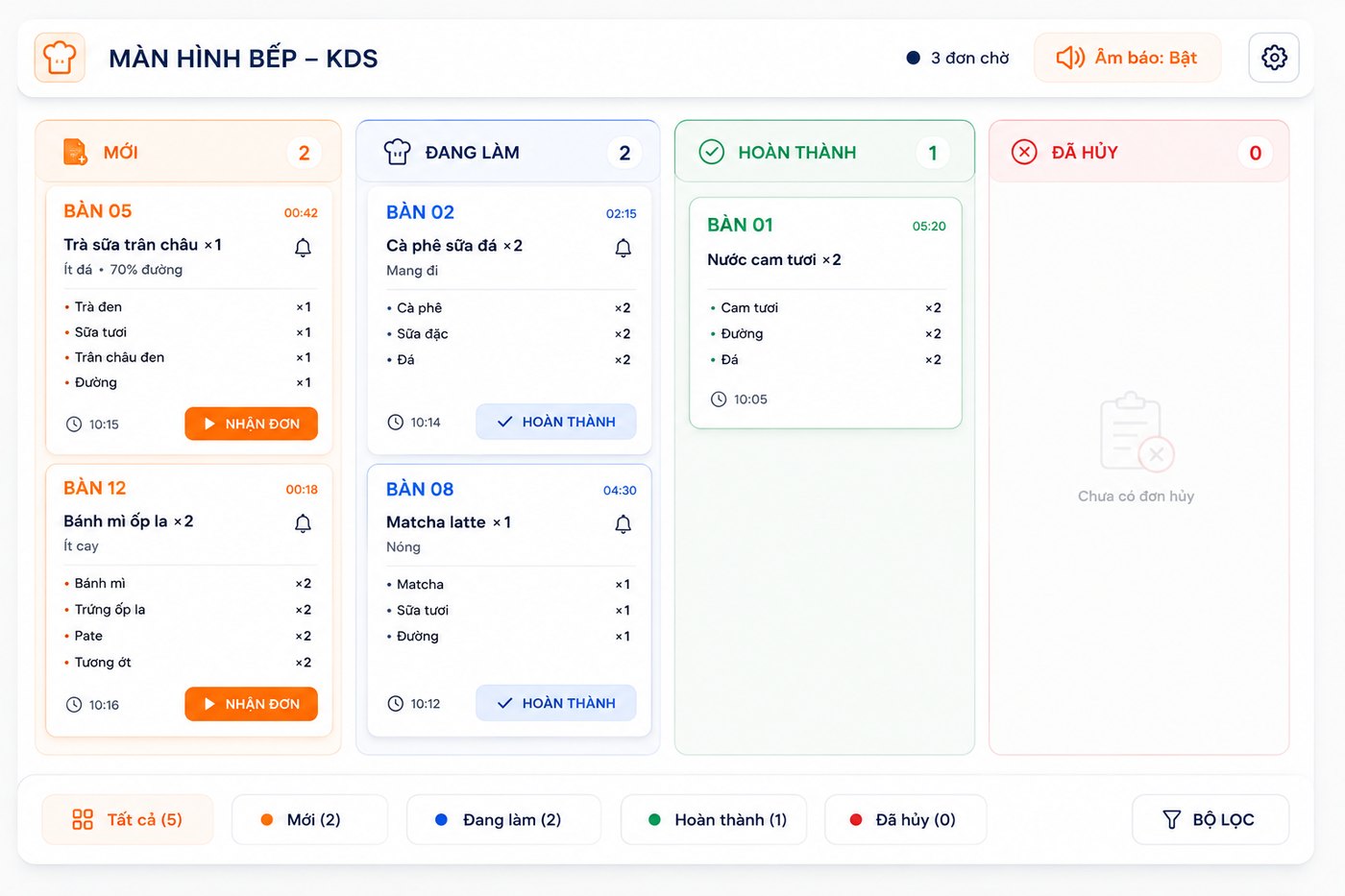
Setting up set menus and combos in Ordersys
The menu screen of the Ordersys software has an option to create a Set Menu / Combo. The "Dishes in the set menu - combo" section has two tabs:
- SetMenu. Add each dish in the set, choose an attribute if the dish has one (for example size), the unit of measure and the quantity. A guest who orders the set gets all of those dishes.
- Combo. Split the dishes into groups, for example "Main", "Soup", "Drink". For each group set the minimum and maximum number of dishes that can be chosen, mark the default dish, and enter an extra charge for upgrades such as switching to beef or a larger portion.
When ordering, the screen shows how many dishes can be chosen in each group, with default dishes already selected. If a group does not yet have its minimum number of dishes, the combo cannot be added to the order, so the kitchen never receives a combo with dishes missing.
What the kitchen, the bill and the stock see
- Kitchen. The kitchen screen shows the combo name with every dish the guest chose, including attributes and quantities. When the kitchen marks it done, the software sends a notification that the combo has been prepared, with the area and table number.
- Bill. The printed slip lists the dishes in the combo under the combo name. Dishes with an extra charge show the amount, so the guest can see why the total is higher than the listed combo price.
- Stock. When a set or a combo is sold, the software deducts stock for each dish inside, multiplied by the number of servings. If a dish is a prepared item, its ingredients are deducted according to the recipe set up for that dish.
Besides the cashier counter, combos can also be sold through the waiter ordering screen and when guests scan the table QR code to order for themselves.
A few things to settle before launching a new set
- Work out the cost of each dish in the set before setting the all-in price. A set being cheaper than ordering separately is normal, but you need to know how much cheaper it can be while still making a profit.
- Use extra charges for upgrades instead of creating another combo. Five variants of the same combo make the menu cluttered and the reports hard to read.
- Make the default dish the one the kitchen can prepare most easily. At busy times most guests keep the pre-selected choice.
- Set up recipes for the dishes in the set. Without recipes, stock can only deduct the finished dish, not the ingredients.
Set menus, grouped combos, the kitchen screen and recipe-based stock deduction are part of the Ordersys restaurant management software, with a free 7-day trial. How to set up recipes so that selling a dish deducts stock: see ingredient recipes: sell a dish and stock is deducted automatically. Taking banquet bookings by table or by serving with a deposit: see taking banquet bookings by table and by serving.
Staff take orders on their phones, the kitchen gets them instantly, guests order and pay by QR, owners see revenue remotely.
Other news
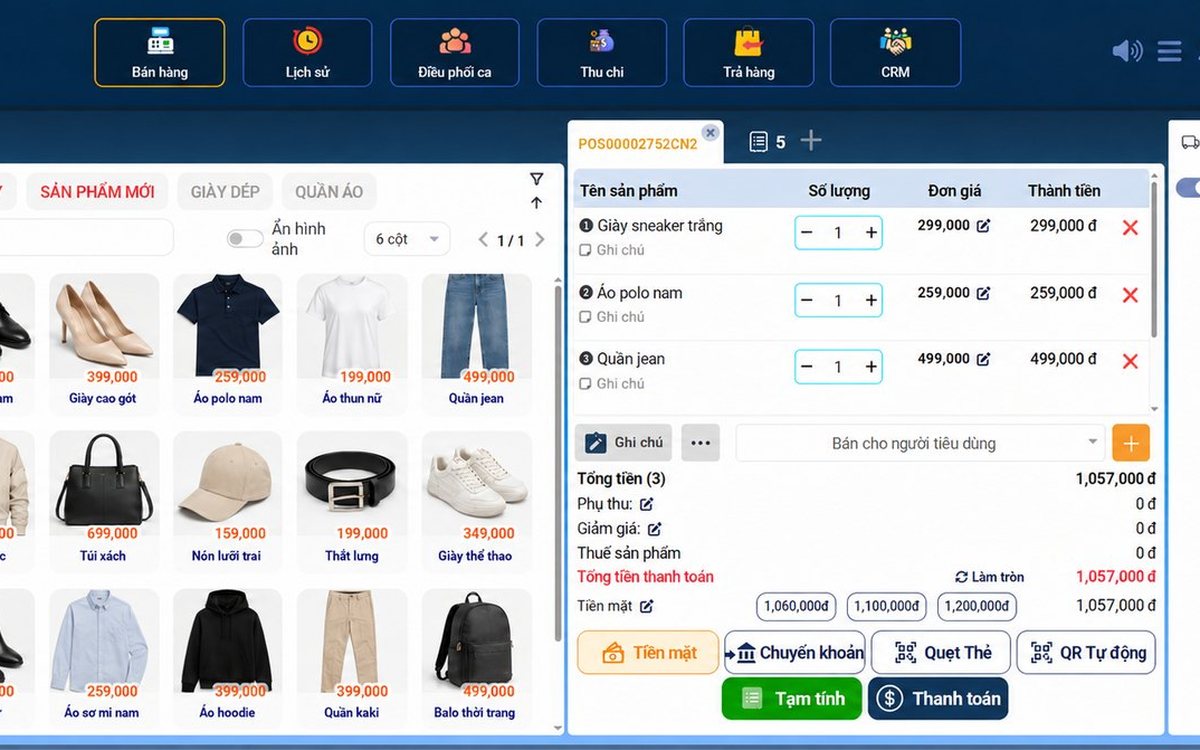
Sales software for household businesses that fits the new rules
From 2026 household businesses no longer pay presumptive tax and declare based on actual revenue; stores with revenue of 1 billion VND/year or more selling directly to consumers must use e-invoices generated from cash registers. This guide summarises the regulatory milestones that affect retail stores and what sales software must do: record every order, issue e-invoices, report by period, keep purchase records and track debts.
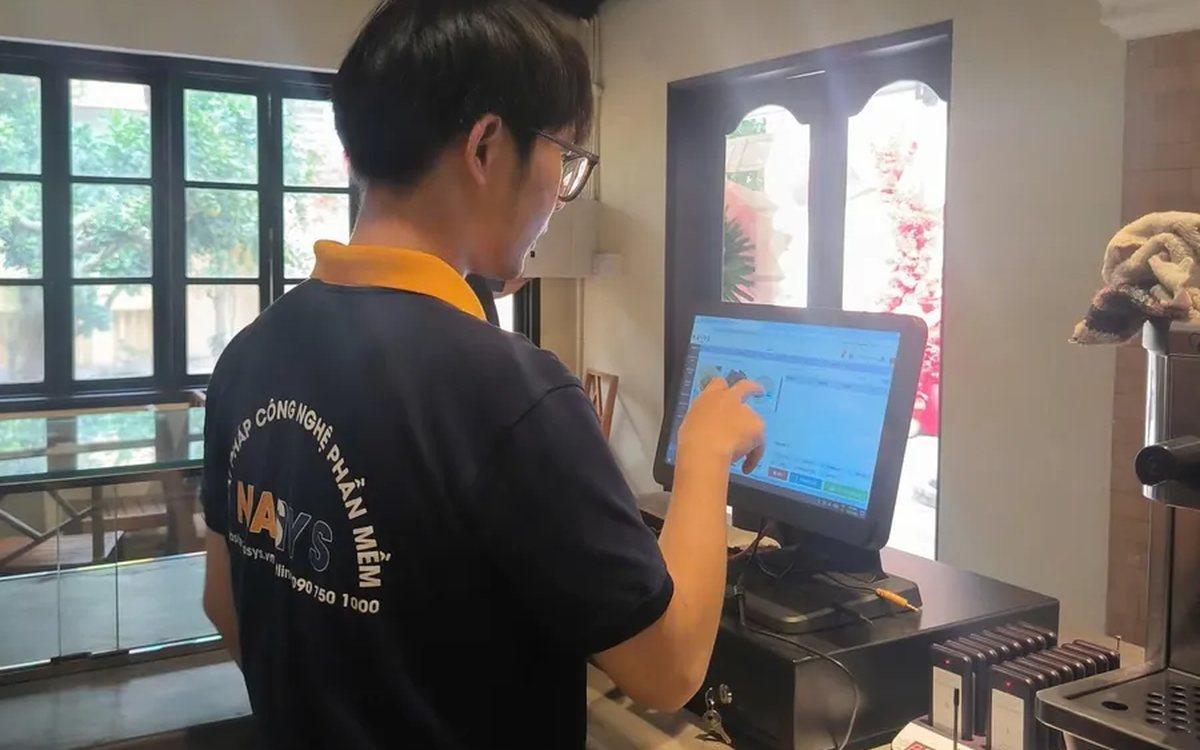
Scan a QR code to order at the table: guests order for themselves, the restaurant needs fewer staff
When guests scan a QR code to order at the table, handing out menus, taking orders, running tickets to the kitchen and answering "where is our food?" move to the guest. This guide separates what guests do themselves, what staff still have to do, how to rearrange shifts by table zone, and where things slip when the restaurant runs with fewer people.
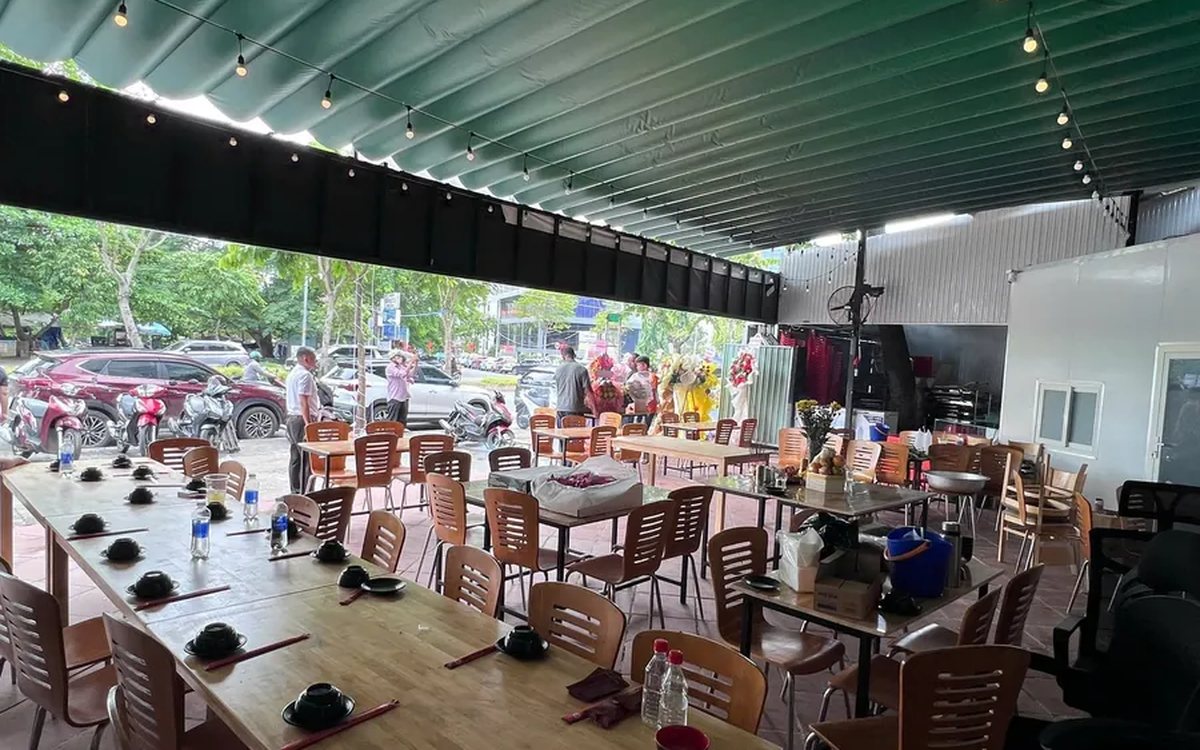
Ordering software for wedding banquet restaurants: serving many tables at once without the bill going wrong
A thirty-table wedding banquet usually goes wrong on the extras: drinks added mid-party, tables set up at the last minute, dishes sent to the kitchen twice, deposits remembered by word of mouth. This guide puts the whole banquet into one order from a multi-table booking or by merging tables, takes extra orders by phone, sends only new items to the kitchen, and settles with the host using a provisional bill, surcharges and automatic deposit deduction.
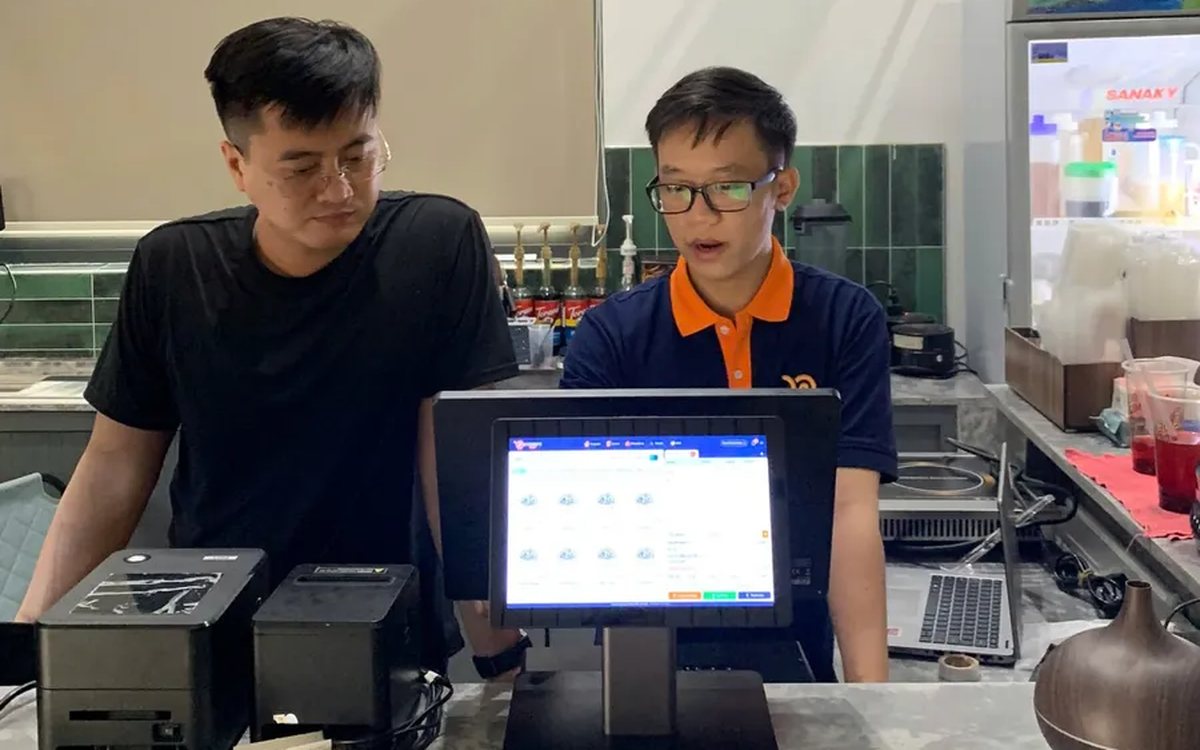
Complete coffee shop management software: how ordering, checkout, inventory and reports connect
Complete coffee shop management software is not a long feature list but ordering, checkout, inventory and reports working together: ring up one cup and the money goes into the right shift, ingredients are deducted by recipe and the end-of-day report updates itself. The article follows one cup through four stages, shows four common break points and the order to switch things on.
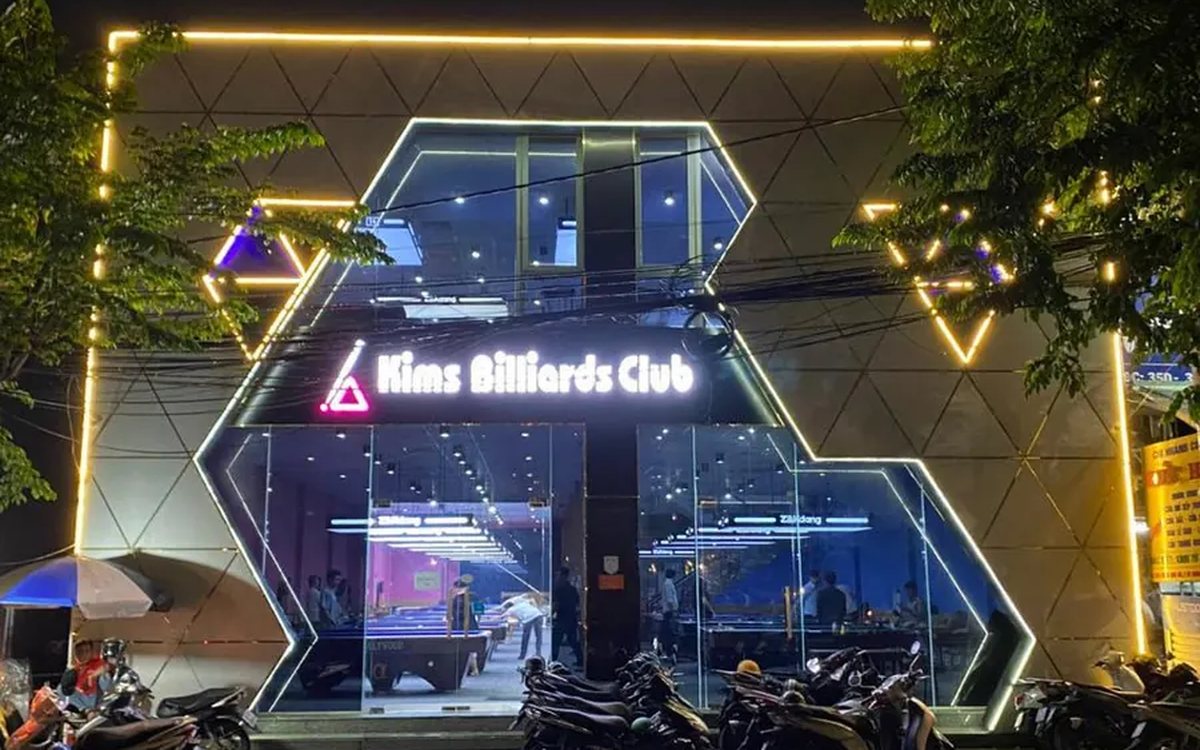
Billiards management software for a small new club: what to set up before opening day
For a new billiards club with five to ten tables, where the owner works the counter and starts the clocks, the software needs to do a few things right: set up tables, hourly rates, the menu and QR codes before opening; let players order drinks themselves and have table lights follow playing time; use camera highlights to get the club known; and after the first month read reports by table, debts and shift close.
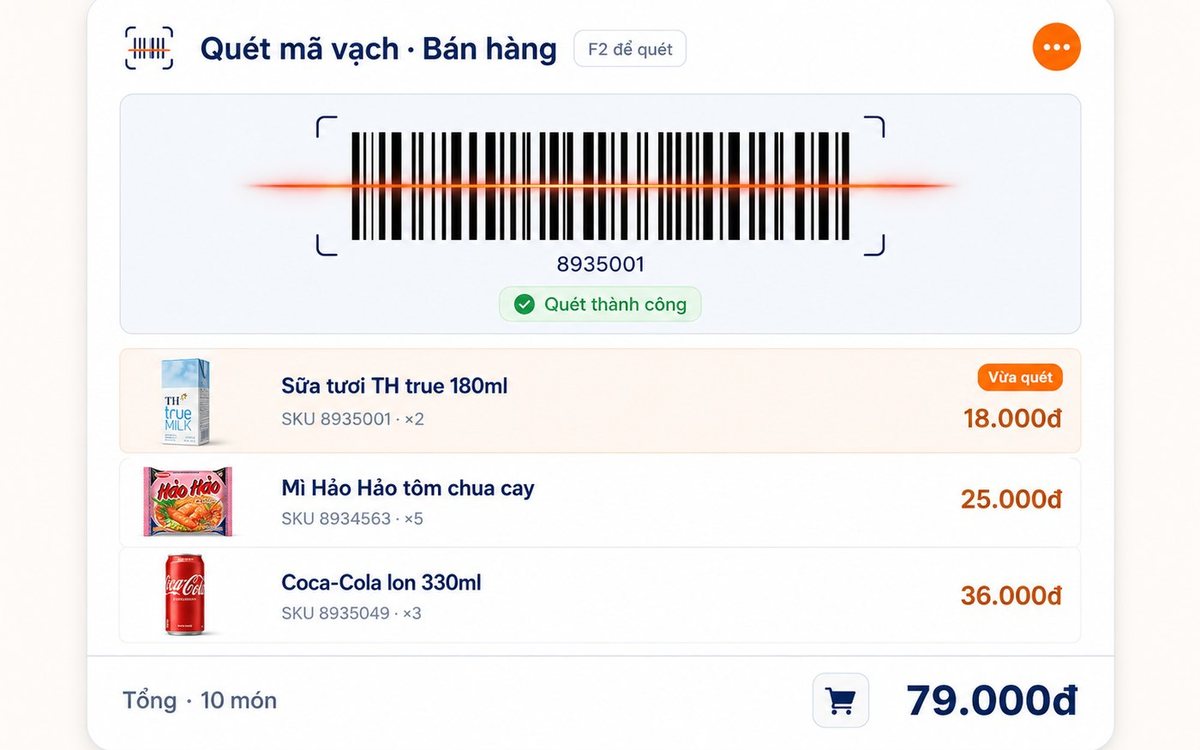
Retail order management software: counter sales and online orders in one place
Counter orders, phone and Zalo orders, and orders from the store's web shop all go into one order book in Ordersys. Each online order moves through five clear statuses, delivery requires the address, delivery time and delivery person, customers track their own order, and there is no adding up two places at the end of the day.

Spa and hair removal appointment software with no double bookings
Hair removal sessions are short, tightly packed and crowded into one machine room, so they clash easily. Each Ordersys appointment records the time, duration, room/bed and therapist; on save the software checks for room clashes, therapist clashes and therapists busy in the spa, adds bed turnover time, and shows exactly which booking is holding the slot.
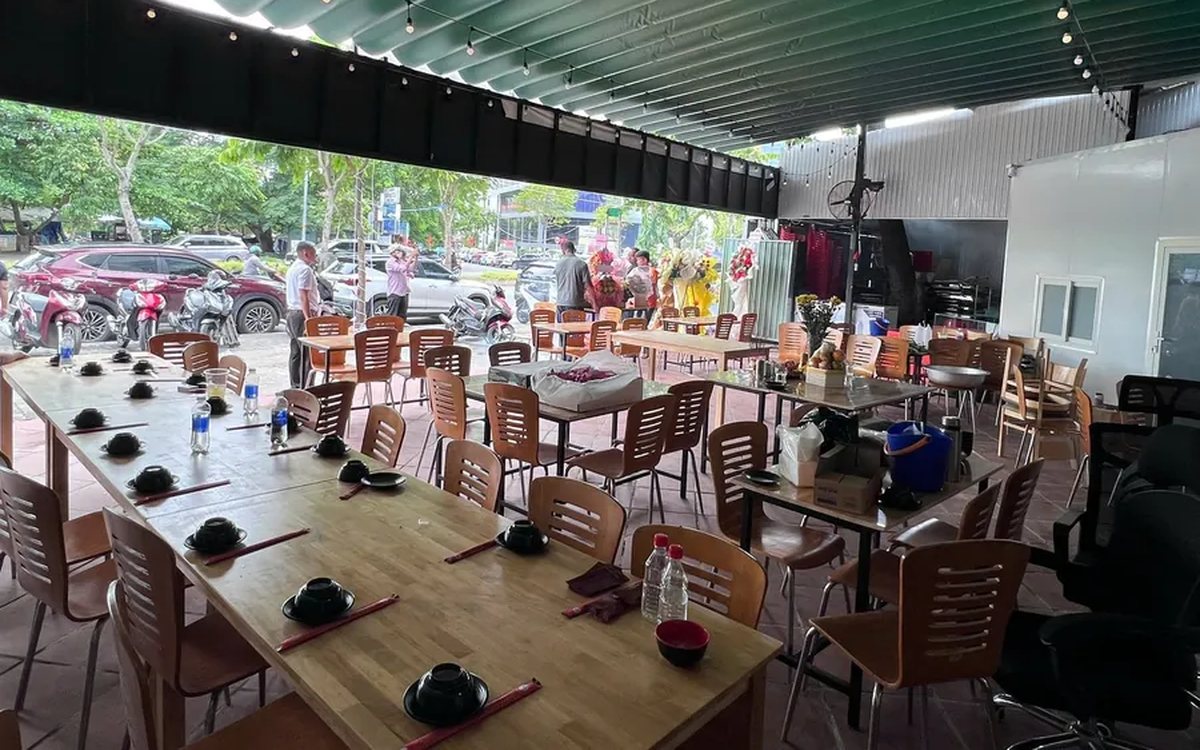
QR table ordering software for restaurants and eateries
One round of QR ordering in Ordersys goes through five steps: the guest scans the code on the table, picks dishes with options and notes, sends the order (with or without a confirmation step), the kitchen and bar receive it, and the guest reopens the page to check the order and order more. Plus a list of what to set up before putting codes on tables.
Ordersys or KiotViet? A Straight Comparison to Choose Right
An honest Ordersys vs KiotViet comparison by real needs: retail, services, billiards, QR ordering, automatic payment — choose right, not the wrong fit.