
Employment contracts tend to be remembered twice: the day they are signed, and the day something goes wrong. In between they sit in a folder in the accounting room, or in a camera roll on the owner's phone. A company of fifteen can get by that way; at thirty or forty people across several branches, nobody can answer "has this person's contract expired yet?" on the spot. And a contract that has expired while the person keeps showing up for work is a position neither side wants to be in.
The dates that quietly slip past
Not because anyone is careless, but because these dates are not attached to anything that happens daily. They come once per person, scattered across the year:
| Milestone | If it slips past | Worth knowing in advance |
|---|---|---|
| End of probation | Letting someone keep working past it counts as having taken them on permanently | A few days ahead, in time to assess and give an answer |
| Contract expiry | The person keeps working while the paperwork has lapsed | A few weeks ahead, in time to prepare a new one |
| Personal documents expiring | The file is incomplete, and you only find out when something has to be submitted | Before the date they have to be replaced |
| Salary review date | The employee raises it first and the manager is caught unprepared | Before the period, in time to gather the figures |

One file per employee, not one folder of paper
In Ordersys HRM, each person has a file holding their documents, their contract with its expiry date, job title, current branch, base salary and allowances. Documents are attached inside the file, so nobody has to dig a photo out of a chat thread. The system gives notice before a contract expires and before probation ends, so the two dates most likely to slip are put in front of someone while there is still time to act.
The file also keeps a history: who received which raise and when, which branch they moved from and to. When an employee asks "when was my last raise?", the answer is in the file rather than in whoever happens to remember better.
When there are several branches
Chains often end up with each store manager holding part of the paperwork for their own people. When staff move between locations, the file follows late or not at all. Keeping every file in one system means a store manager sees their own people, the owner and accountant see everything, and moving an employee to another branch is a change of one field rather than a handover of a stack of paper.
- Contracts coming up for expiry can be filtered by month and by branch.
- Files missing documents are visible straight away, not at the moment something must be submitted.
- Departed employees keep their file and history for later reference.
The software reminds; people still decide
The system does not renew a contract by itself, and it does not replace a manager's judgement on who should be signed on again. What it does is put the right name in front of you at the right time, with a complete file behind it. The legal side — which type of contract, how long, how many days of probation are allowed, the minimum probation pay — follows the regulations and is worth reading separately; the article on employment contracts for restaurants and shops covers that part.
A light way to start
There is no need to enter everything at once. The lightest approach is to enter first the people whose contracts expire within the next three months, since that is the group needing notice soonest. Enter the rest gradually, completing each person's file whenever something brings them up. After one three-month cycle it is close to complete, without stopping other work to build a database.
Employee files, contracts, attendance, scheduling and payroll all sit in Ordersys HRM software, with a free 7-day trial. Read more: attendance when staff move between branches.
Clock in by phone and calculate pay by shift, allowances and overtime automatically every month.
Other news
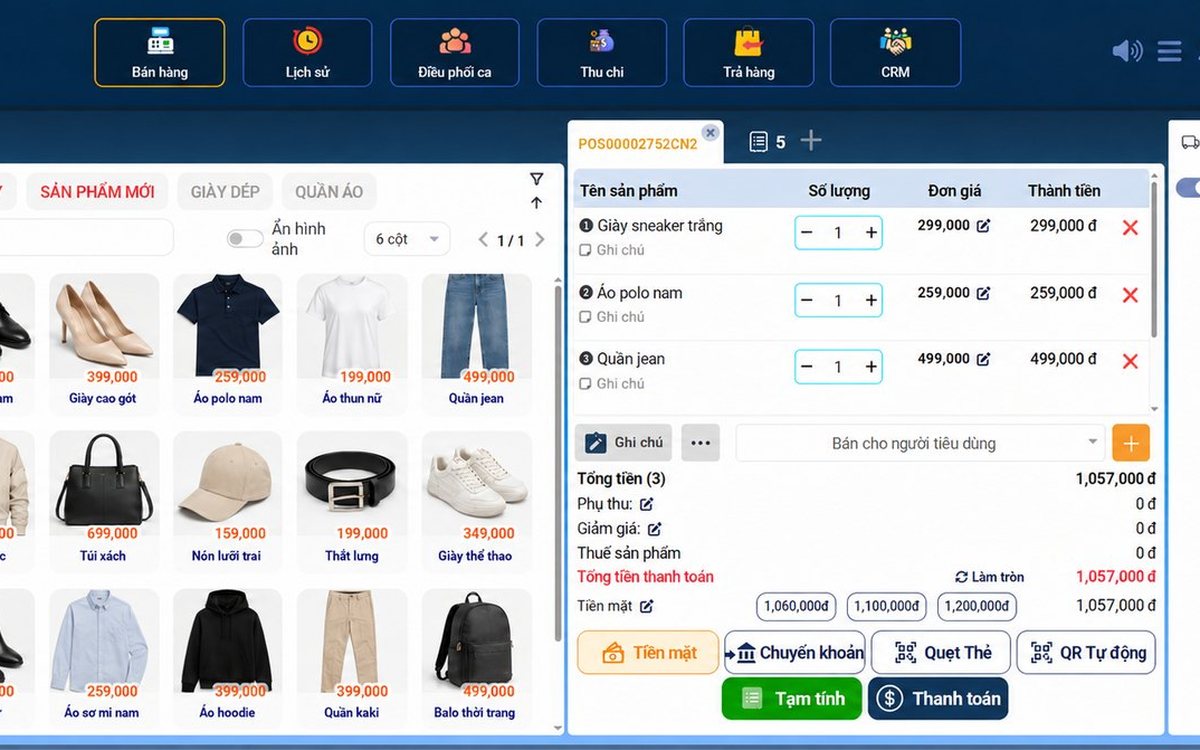
Sales software for household businesses that fits the new rules
From 2026 household businesses no longer pay presumptive tax and declare based on actual revenue; stores with revenue of 1 billion VND/year or more selling directly to consumers must use e-invoices generated from cash registers. This guide summarises the regulatory milestones that affect retail stores and what sales software must do: record every order, issue e-invoices, report by period, keep purchase records and track debts.
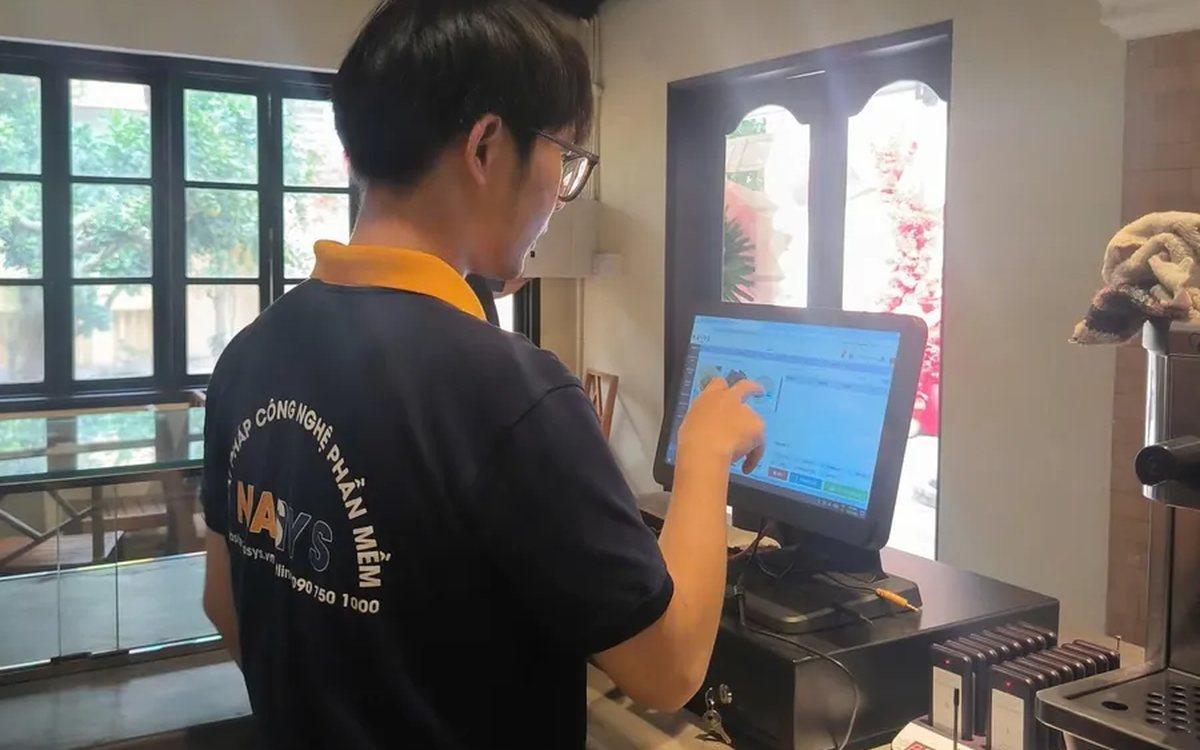
Scan a QR code to order at the table: guests order for themselves, the restaurant needs fewer staff
When guests scan a QR code to order at the table, handing out menus, taking orders, running tickets to the kitchen and answering "where is our food?" move to the guest. This guide separates what guests do themselves, what staff still have to do, how to rearrange shifts by table zone, and where things slip when the restaurant runs with fewer people.

Ordering software for wedding banquet restaurants: serving many tables at once without the bill going wrong
A thirty-table wedding banquet usually goes wrong on the extras: drinks added mid-party, tables set up at the last minute, dishes sent to the kitchen twice, deposits remembered by word of mouth. This guide puts the whole banquet into one order from a multi-table booking or by merging tables, takes extra orders by phone, sends only new items to the kitchen, and settles with the host using a provisional bill, surcharges and automatic deposit deduction.
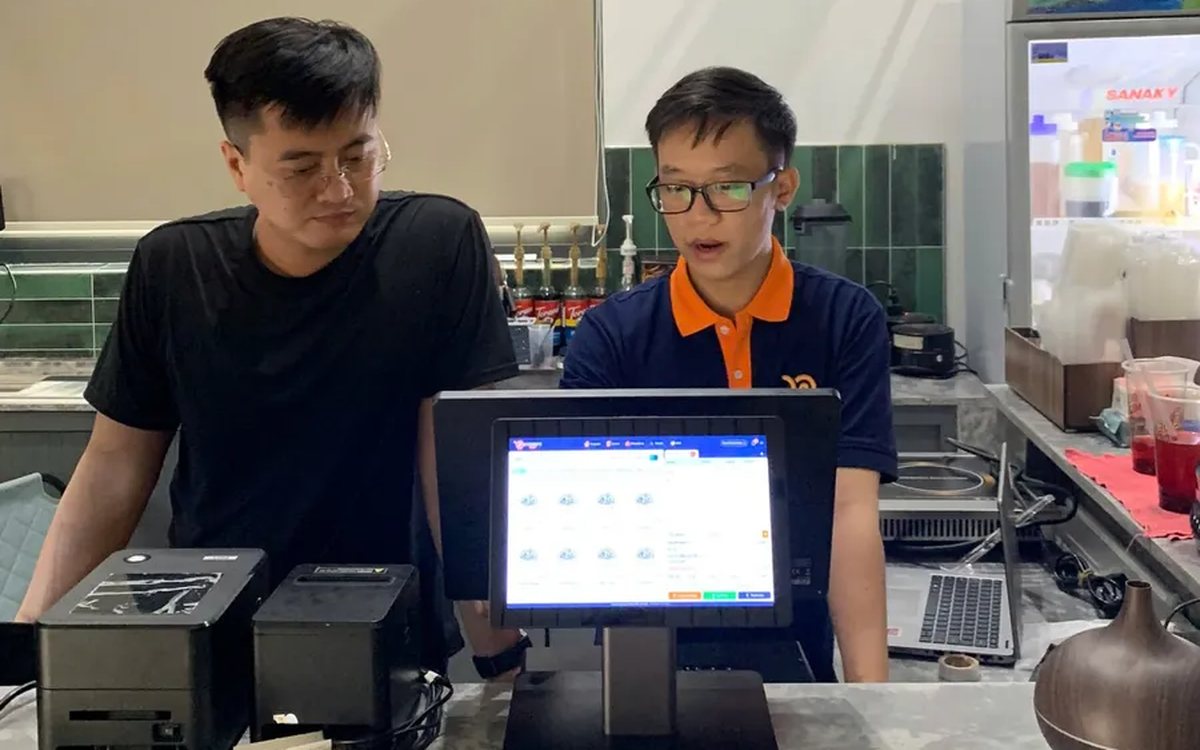
Complete coffee shop management software: how ordering, checkout, inventory and reports connect
Complete coffee shop management software is not a long feature list but ordering, checkout, inventory and reports working together: ring up one cup and the money goes into the right shift, ingredients are deducted by recipe and the end-of-day report updates itself. The article follows one cup through four stages, shows four common break points and the order to switch things on.

Billiards management software for a small new club: what to set up before opening day
For a new billiards club with five to ten tables, where the owner works the counter and starts the clocks, the software needs to do a few things right: set up tables, hourly rates, the menu and QR codes before opening; let players order drinks themselves and have table lights follow playing time; use camera highlights to get the club known; and after the first month read reports by table, debts and shift close.
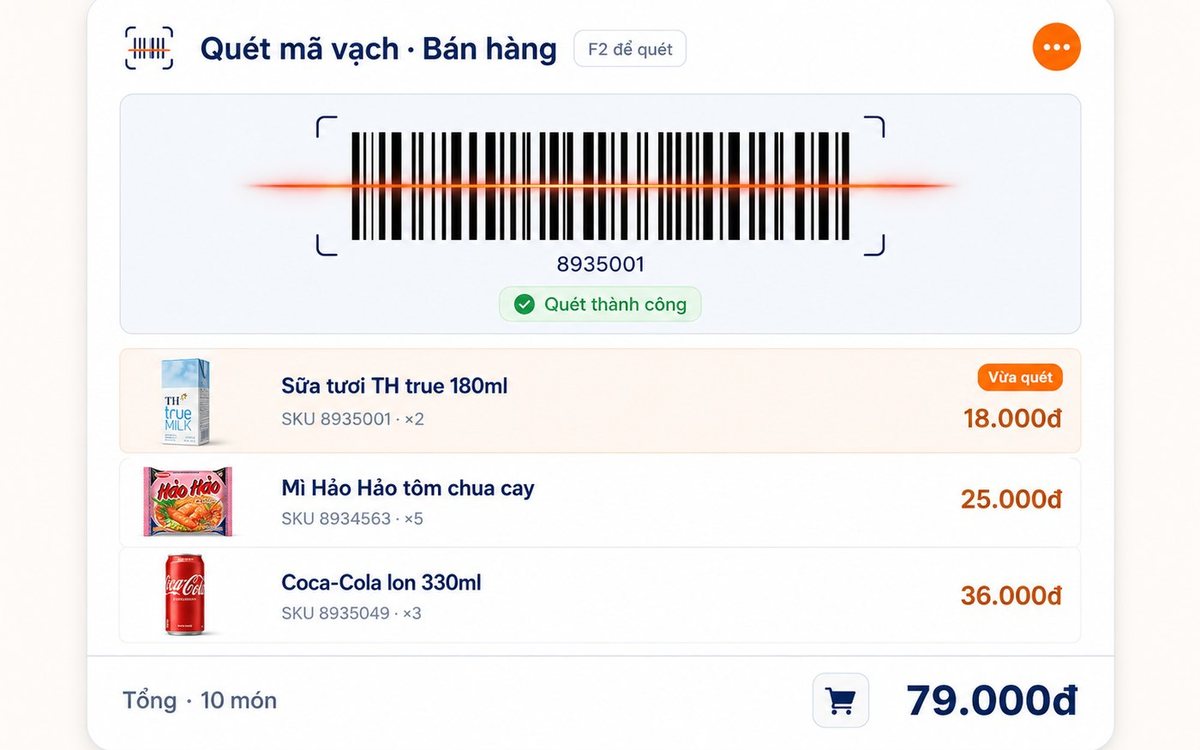
Retail order management software: counter sales and online orders in one place
Counter orders, phone and Zalo orders, and orders from the store's web shop all go into one order book in Ordersys. Each online order moves through five clear statuses, delivery requires the address, delivery time and delivery person, customers track their own order, and there is no adding up two places at the end of the day.

Spa and hair removal appointment software with no double bookings
Hair removal sessions are short, tightly packed and crowded into one machine room, so they clash easily. Each Ordersys appointment records the time, duration, room/bed and therapist; on save the software checks for room clashes, therapist clashes and therapists busy in the spa, adds bed turnover time, and shows exactly which booking is holding the slot.
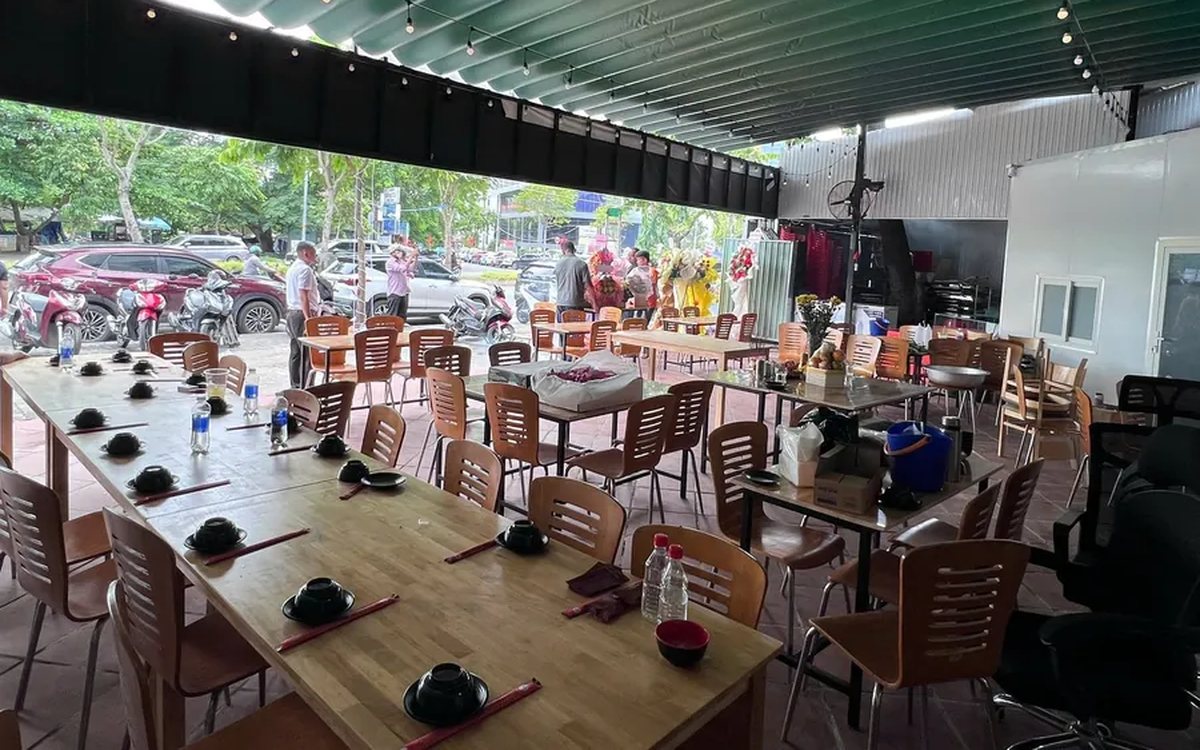
QR table ordering software for restaurants and eateries
One round of QR ordering in Ordersys goes through five steps: the guest scans the code on the table, picks dishes with options and notes, sends the order (with or without a confirmation step), the kitchen and bar receive it, and the guest reopens the page to check the order and order more. Plus a list of what to set up before putting codes on tables.
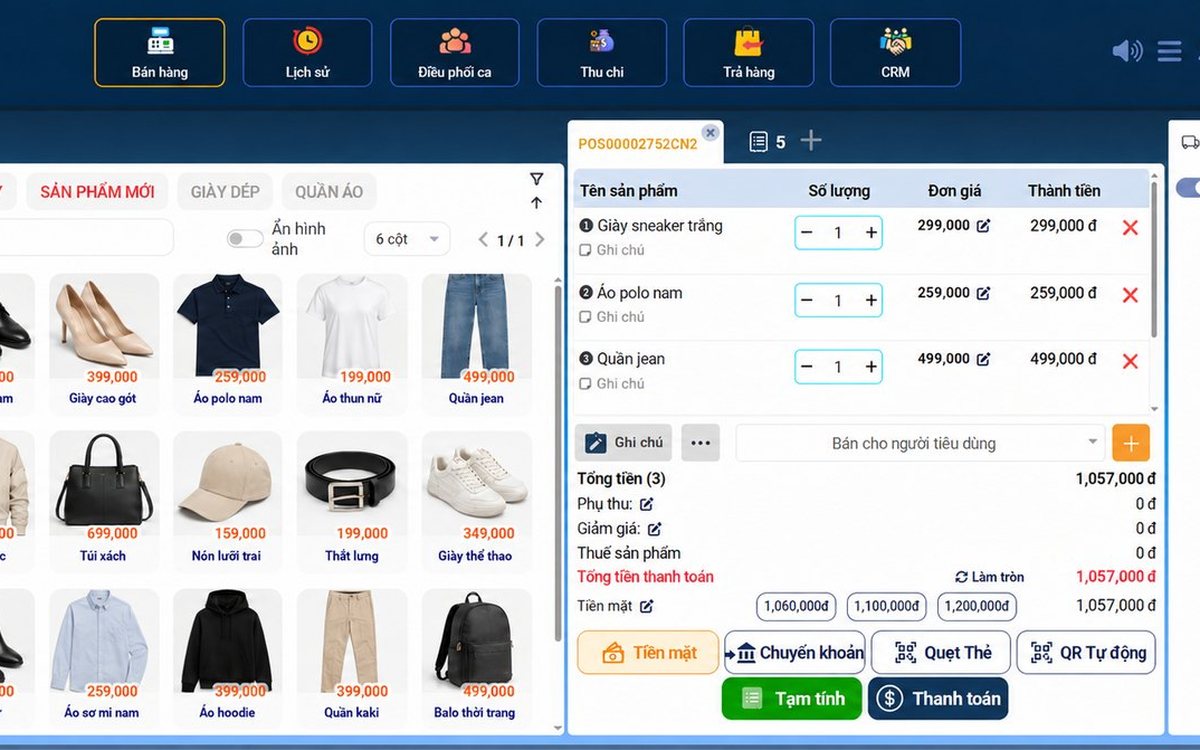
Ordersys or KiotViet? A Straight Comparison to Choose Right
An honest Ordersys vs KiotViet comparison by real needs: retail, services, billiards, QR ordering, automatic payment — choose right, not the wrong fit.