
At a massage shop most appointments start with a Zalo message: "Any slots at 7pm tomorrow?" The receptionist replies "yes, we do", and the appointment is settled — inside the head of whoever happens to be on duty. The next evening a different shift is on, the customer arrives, and the room is taken, or the therapist they always ask for is in the middle of someone else's session. The fault is not Zalo's. The fault is that a message is not an appointment until it is written into the shared schedule.
The chat is where the customer speaks; the schedule is where the appointment lives
Bookings arrive down several routes: Zalo, phone calls, walk-ins, and in some shops a link or a QR code at the counter. How they arrive matters less than the fact that they all land on one schedule screen. The Ordersys massage shop software does exactly that: the receptionist reads the message and creates an appointment straight away, and from then on everyone in the shop is looking at the same thing, with nobody asking "who took this booking?"
Creating the appointment means picking the time, the service, the room or bed and the therapist. A clash is flagged immediately — this is what a notebook cannot do, because a massage shop is constrained by two resources at once: people and rooms. A free therapist with no free room still cannot take a customer.
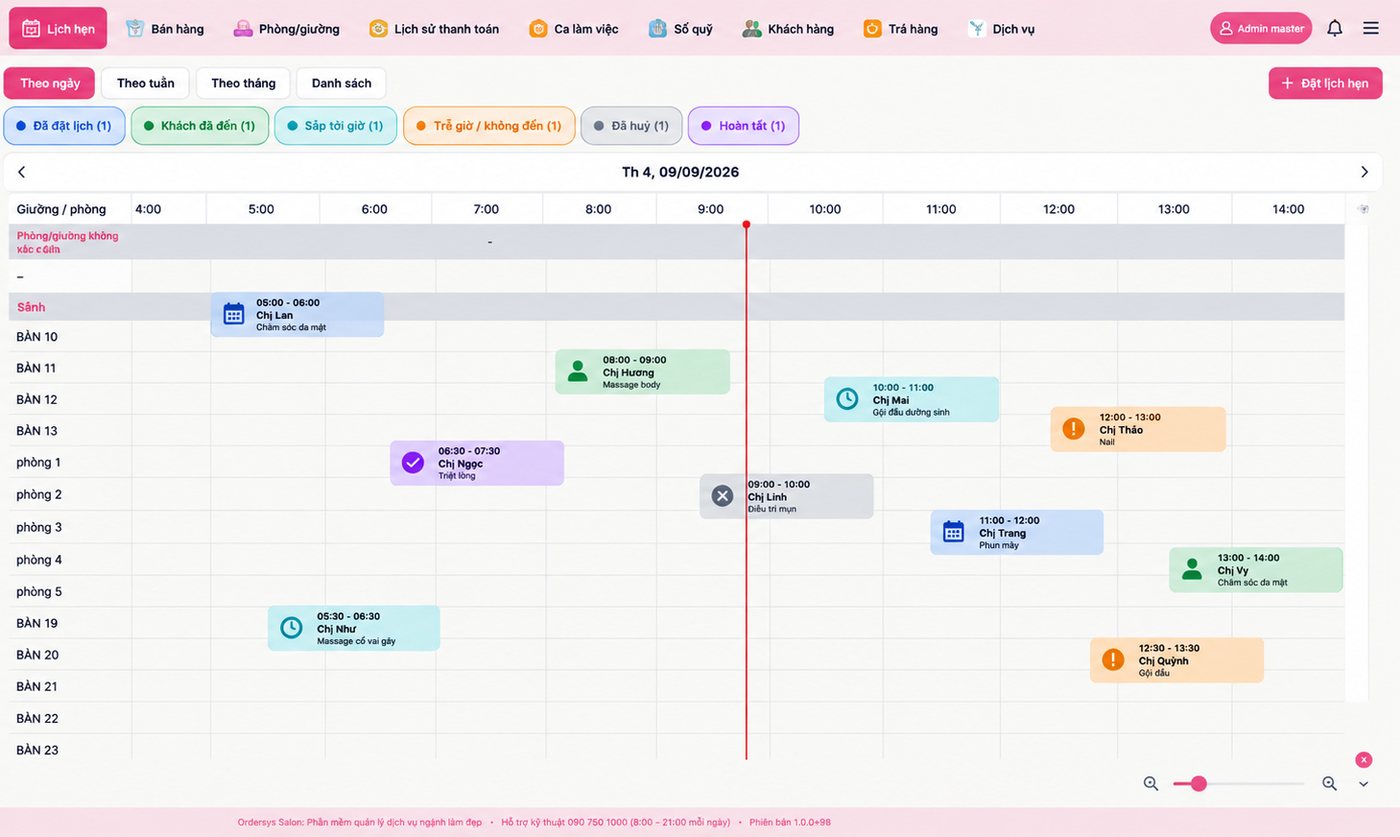
Appointment statuses: the receptionist knows what comes next
An appointment is not only "yes" or "no". The schedule separates bookings by status, filtered right at the top of the screen:
| Status | Meaning | What the receptionist does |
|---|---|---|
| Booked | Customer has a slot, time not reached yet | Leave it, wait for the reminder |
| Due soon | The slot is about to start | Prepare the room, tell the therapist |
| Arrived | Customer is here and going in | Open the ticket, start the timer |
| Late / no show | Past the time with no customer | Call to ask, or release the slot |
| Cancelled · Completed | Customer cancelled, or the session is done | Recorded for the month-end review |
The schedule can be viewed by day, by week, by month or as a list. On an ordinary day the day view is enough; at weekends or holidays the week view shows which slots are still empty and worth promoting.
Reminders before the appointment — where Zalo really earns its place
Zalo is handy for receiving messages, but its biggest contribution runs the other way: reminding customers before their slot. Someone who booked three days ago forgets easily, and an empty evening slot costs a full session of a therapist's time. Ordersys sends automatic reminders to customers whose number is in their profile, so the front desk is not typing messages one by one at the end of a shift.
For new customers or long services, the shop can take a deposit at booking and offset it against the bill on arrival. Not to be difficult with customers — simply because a prime Saturday evening slot held and then abandoned is a real loss.
A few house rules for taking bookings over Zalo
- Enter the booking into the software during the same shift; do not let the message carry over to the next one.
- Always ask for three things: name, phone number and the service wanted — without a number there can be no reminder.
- If the customer asks for a specific therapist, pick the name on the ticket rather than writing it in the notes field.
- At the end of the shift, look over the late / no show group and call them in one round; they are the easiest to recover.
A shop does not have to drop Zalo to manage its schedule better. Treat Zalo as the door customers come through, and keep the schedule in the software — the place that knows which room is busy, which therapist is free and who is due next. Have a look at the Ordersys massage shop management software, free for 7 days. Two related articles: taking bookings by QR code to cut empty beds, and customers who book and never show: what it costs and how to reduce it.
Ordersys has editions for restaurants and for retail stores: checkout, stock, reports and e-invoices, with on-site setup and training.
Other news
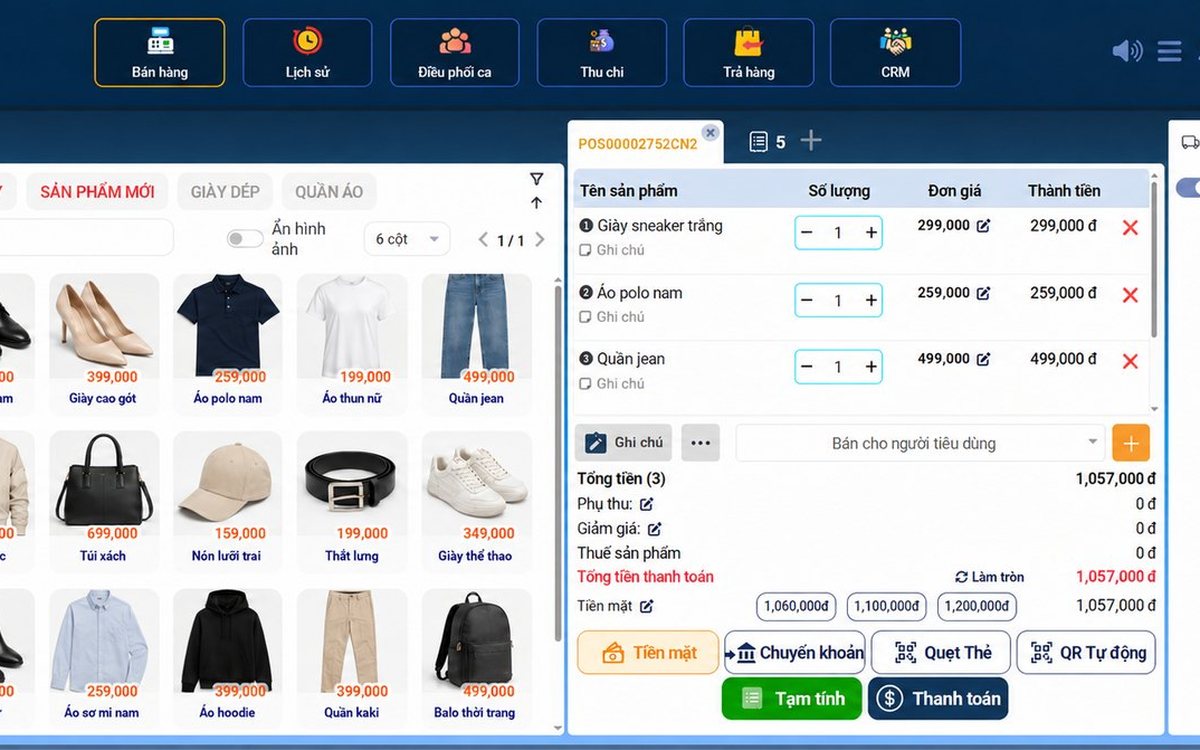
Sales software for household businesses that fits the new rules
From 2026 household businesses no longer pay presumptive tax and declare based on actual revenue; stores with revenue of 1 billion VND/year or more selling directly to consumers must use e-invoices generated from cash registers. This guide summarises the regulatory milestones that affect retail stores and what sales software must do: record every order, issue e-invoices, report by period, keep purchase records and track debts.
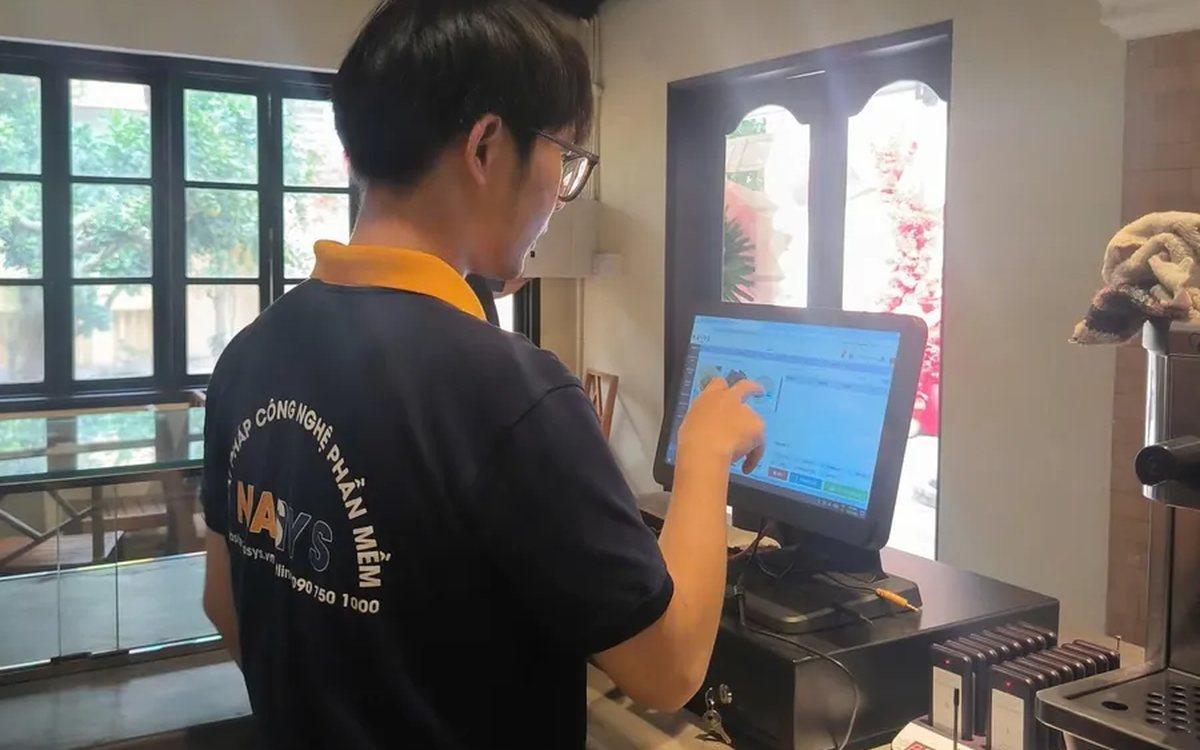
Scan a QR code to order at the table: guests order for themselves, the restaurant needs fewer staff
When guests scan a QR code to order at the table, handing out menus, taking orders, running tickets to the kitchen and answering "where is our food?" move to the guest. This guide separates what guests do themselves, what staff still have to do, how to rearrange shifts by table zone, and where things slip when the restaurant runs with fewer people.
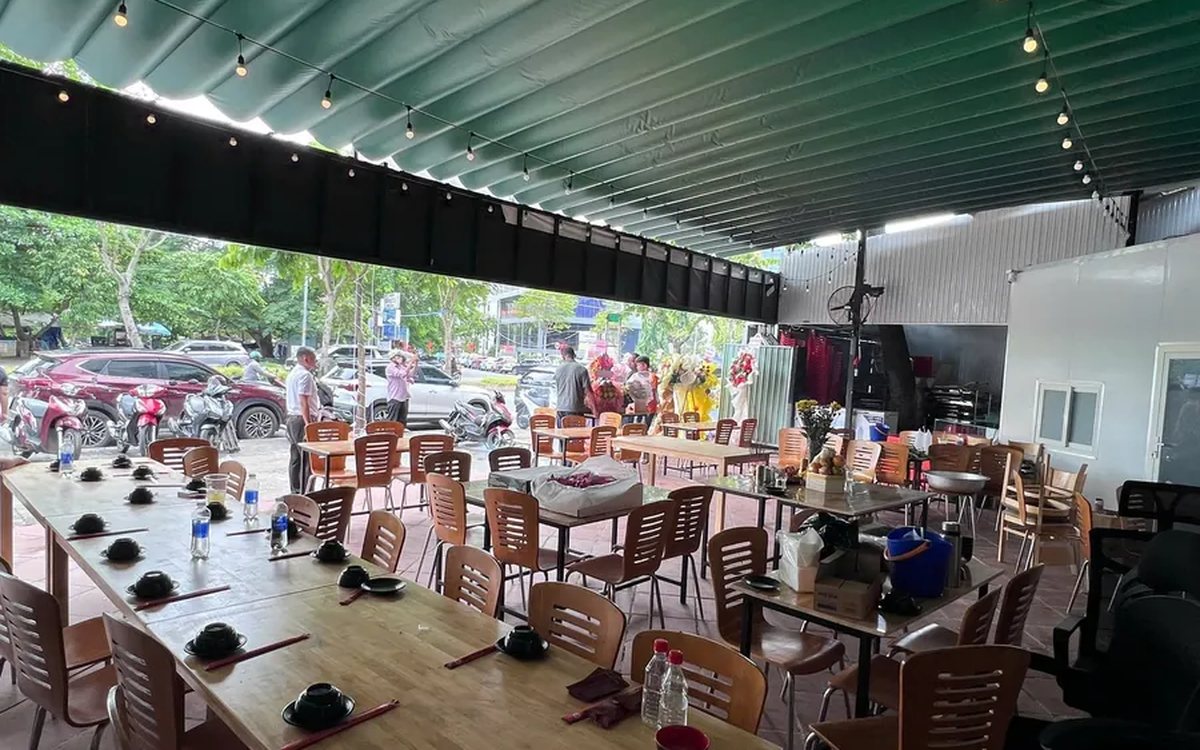
Ordering software for wedding banquet restaurants: serving many tables at once without the bill going wrong
A thirty-table wedding banquet usually goes wrong on the extras: drinks added mid-party, tables set up at the last minute, dishes sent to the kitchen twice, deposits remembered by word of mouth. This guide puts the whole banquet into one order from a multi-table booking or by merging tables, takes extra orders by phone, sends only new items to the kitchen, and settles with the host using a provisional bill, surcharges and automatic deposit deduction.
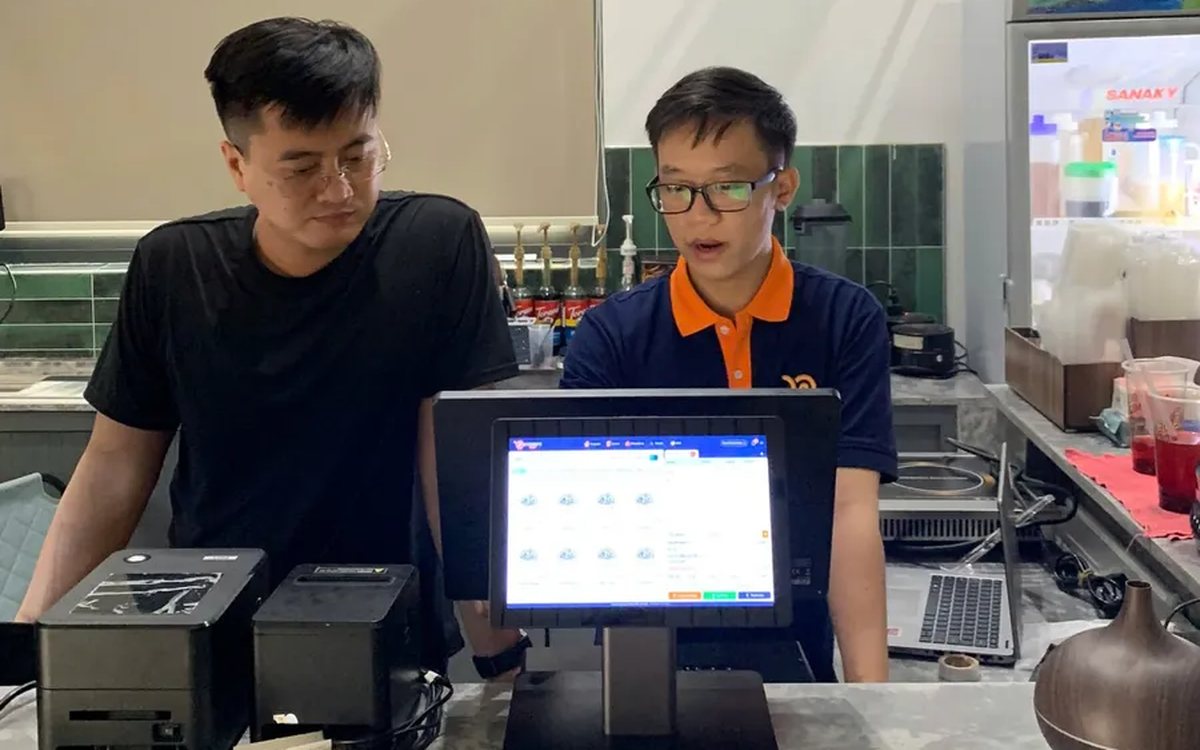
Complete coffee shop management software: how ordering, checkout, inventory and reports connect
Complete coffee shop management software is not a long feature list but ordering, checkout, inventory and reports working together: ring up one cup and the money goes into the right shift, ingredients are deducted by recipe and the end-of-day report updates itself. The article follows one cup through four stages, shows four common break points and the order to switch things on.
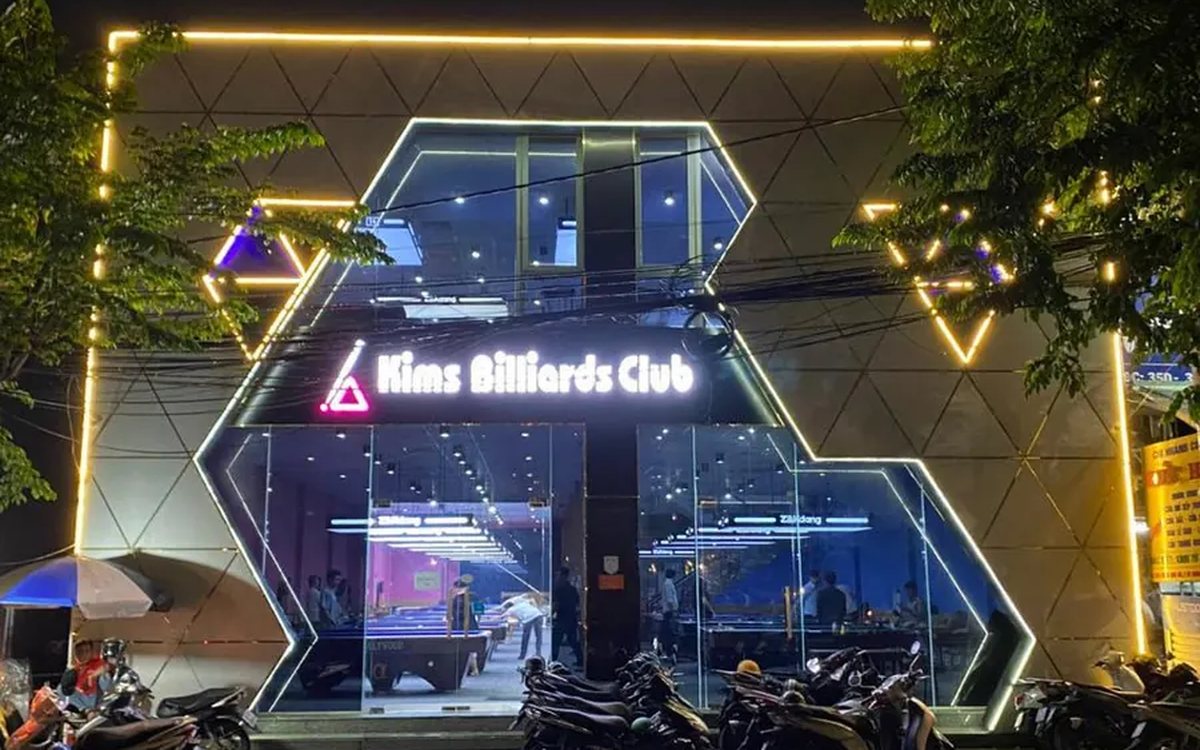
Billiards management software for a small new club: what to set up before opening day
For a new billiards club with five to ten tables, where the owner works the counter and starts the clocks, the software needs to do a few things right: set up tables, hourly rates, the menu and QR codes before opening; let players order drinks themselves and have table lights follow playing time; use camera highlights to get the club known; and after the first month read reports by table, debts and shift close.
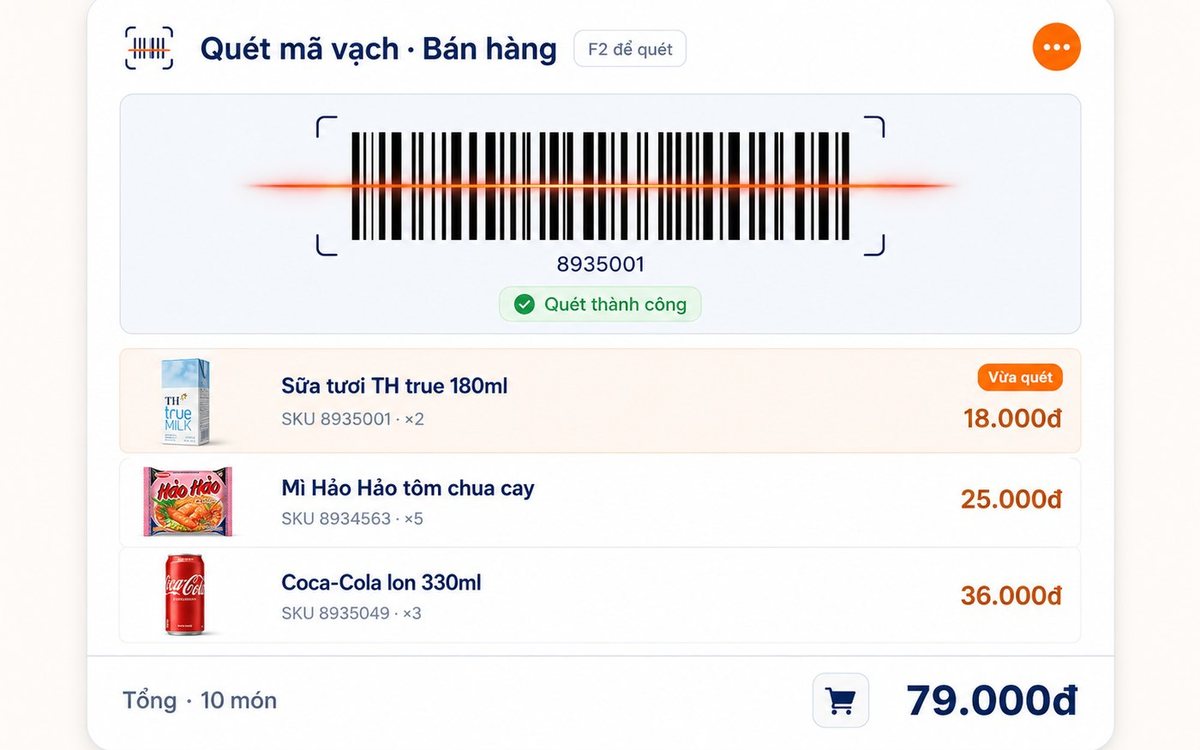
Retail order management software: counter sales and online orders in one place
Counter orders, phone and Zalo orders, and orders from the store's web shop all go into one order book in Ordersys. Each online order moves through five clear statuses, delivery requires the address, delivery time and delivery person, customers track their own order, and there is no adding up two places at the end of the day.
Spa and hair removal appointment software with no double bookings
Hair removal sessions are short, tightly packed and crowded into one machine room, so they clash easily. Each Ordersys appointment records the time, duration, room/bed and therapist; on save the software checks for room clashes, therapist clashes and therapists busy in the spa, adds bed turnover time, and shows exactly which booking is holding the slot.
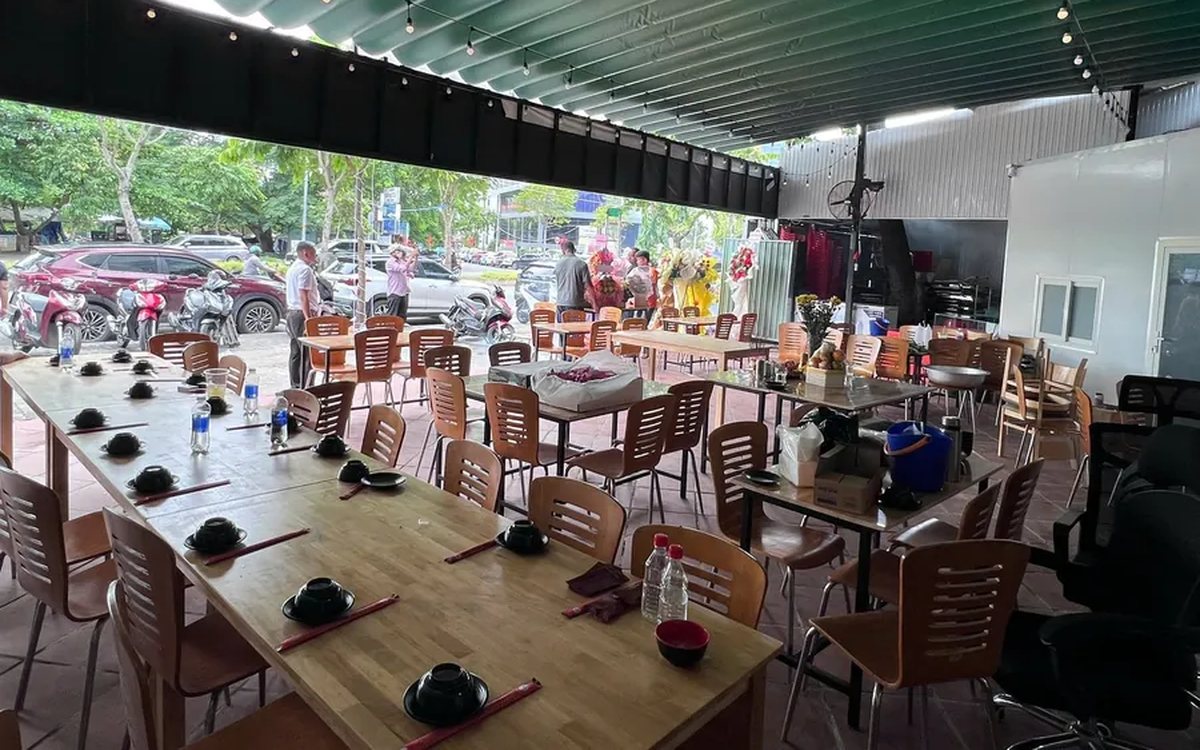
QR table ordering software for restaurants and eateries
One round of QR ordering in Ordersys goes through five steps: the guest scans the code on the table, picks dishes with options and notes, sends the order (with or without a confirmation step), the kitchen and bar receive it, and the guest reopens the page to check the order and order more. Plus a list of what to set up before putting codes on tables.
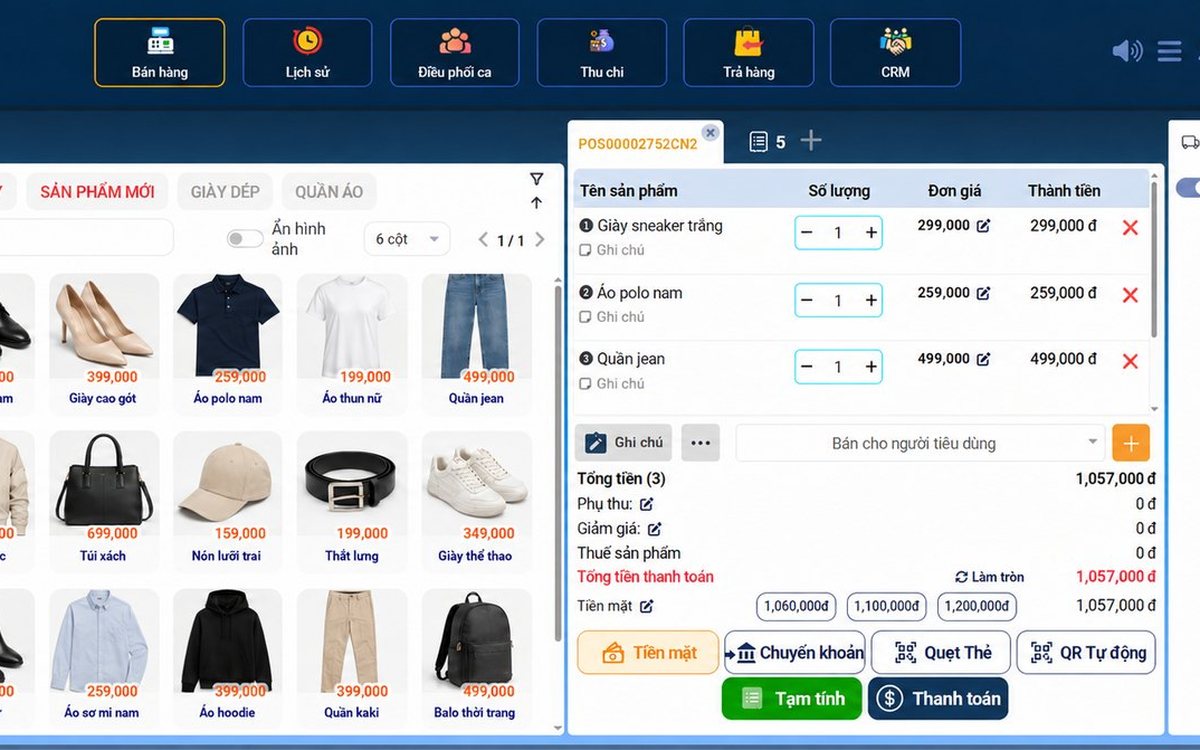
Ordersys or KiotViet? A Straight Comparison to Choose Right
An honest Ordersys vs KiotViet comparison by real needs: retail, services, billiards, QR ordering, automatic payment — choose right, not the wrong fit.