
A table of six stays for almost two hours. In the first round a server takes the order, in the second the guests scan the QR code themselves to add beer, in the third someone walks to the counter to ask for another plate of greens, and in the fourth they order dessert just before leaving. At checkout the plate of greens is missing from the bill, and nobody is sure how many bottles came out of the beer crate. Every dish was served; the extra rounds were simply recorded in four different places. This article shows how to bring every round ordered during a meal into one bill for the table and settle it once, cleanly.
Where extra rounds usually get lost
| Common practice | Where it goes wrong |
|---|---|
| Each round on its own paper slip, clipped together at the table | The later slip falls off or gets clipped to the next table |
| A new bill opened for each later round | At checkout someone forgets to merge, so the guest pays one bill short or gets charged twice |
| Staff remember the order and fetch the items right away | Beer and drinks taken straight from the fridge never pass the kitchen, so nobody adds them to the bill |
| Typing the table number by hand when adding items | A wrong number means another table pays for it while yours comes up short |
All four cases share one thing: a single table has several places where orders are written down, so at the end of the meal someone has to check each place again. The busier the restaurant and the more rounds of extra orders, the bigger the gap.
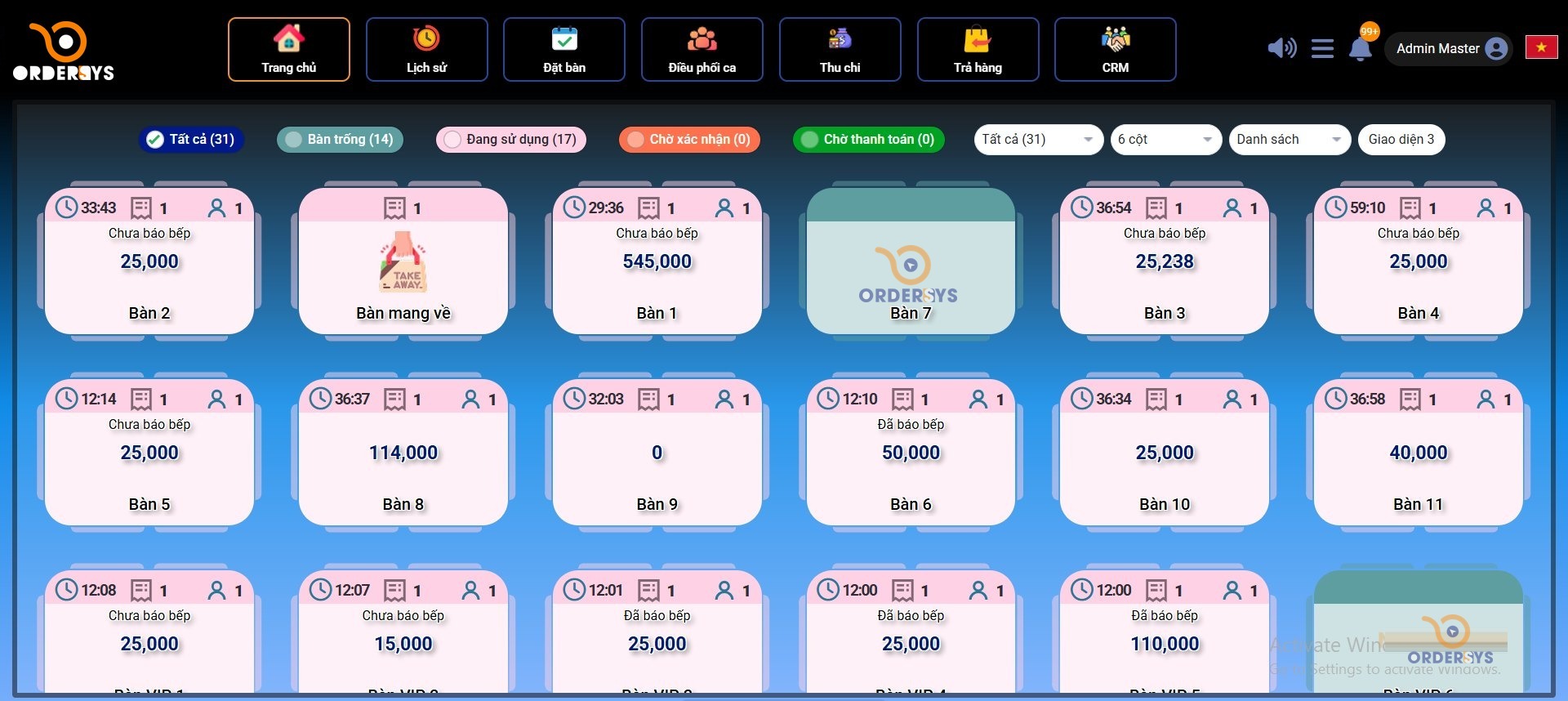
One table, one open bill until payment
The rule is simple: from the first dish until the guests pay, the table has only one bill. Every extra round is added to that bill, no matter who places it:
- The server adds items on a phone or tablet right at the table.
- Guests scan the QR code at the table to order more, and the items go into the table's bill instead of becoming a separate order.
- The cashier adds items at the counter when a guest comes over to ask, choosing the right table on the map.
For each extra round, the kitchen ticket prints only what was just ordered. If a table adds two bottles of beer, the bar receives exactly two bottles, and the kitchen does not have to reread the whole earlier order to find the new items. On the map, each table tile also shows whether it still has items not sent to the kitchen or everything has been sent, so the cashier can see at a glance which round is still pending.
Four habits so extra rounds don't slip through
- Enter first, serve second. Especially beer, drinks and cold towels taken from the fridge: this is the group most often forgotten because it never passes the kitchen. One rule for the whole restaurant: not entered, not taken.
- Pick the table on the map, don't type the number. Tapping the table tile on the map avoids typing the wrong table number. If guests change seats mid-meal, use the move-table action to carry the whole bill along instead of opening a new bill at the new table.
- Returned dishes are cancelled on the order, with a reason. No crossing out by hand, no "taking it off verbally" at checkout. Cancelling on the order lets the kitchen know, and the owner can review who cancelled and why.
- Read it back before printing the bill. For large tables, the cashier reads back by group: food, drinks, extras. Guests hear it once and spot anything missing or extra right away.
At checkout: settle once, split if guests want
Because every round already sits in one place, checkout is just closing one bill. If the table wants to see the total first, print a provisional bill; guests can still order more after seeing it, and only at the end is the payment bill printed. The bill can also show the table's time in and time out, handy when guests ask about it later.
If the group wants to pay separately, split the bill right then, from one complete bill, instead of each person holding a handwritten slip. How to split without arguments is covered in splitting bills, merging and moving tables at drinking spots and restaurants.
How Ordersys helps
In Ordersys order software, every table being served is an open bill on the table map. Whether a server orders on a phone, guests scan the QR code at the table or the cashier adds items at the counter, everything goes into that same bill; kitchen tickets print only the new items; cancellations record a reason; provisional bills, splitting and moving tables all work on the same bill. Restaurants can try it free for 7 days. For hotpot and grill restaurants with constant extra orders, see managing orders sent straight to the kitchen at hotpot and grill restaurants, and for guests changing their minds after the kitchen has the ticket, read cancelling dishes after they have been sent to the kitchen.
Staff take orders on their phones, the kitchen gets them instantly, guests order and pay by QR, owners see revenue remotely.
Other news
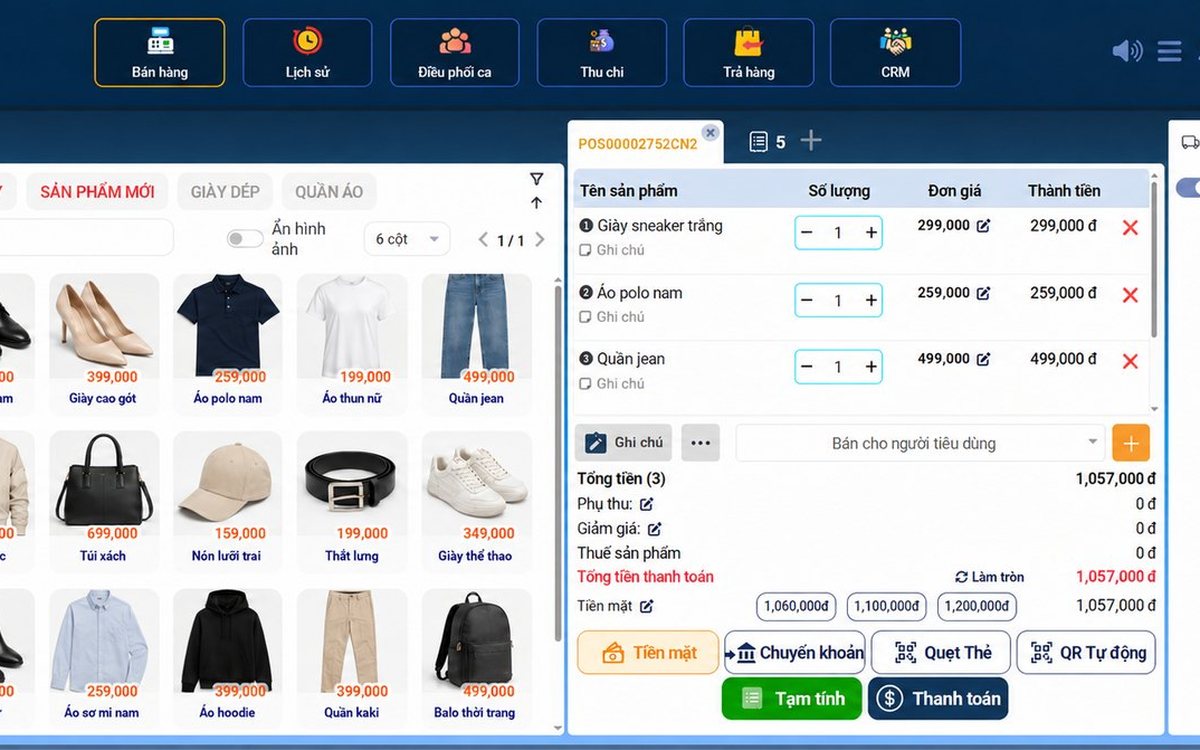
Sales software for household businesses that fits the new rules
From 2026 household businesses no longer pay presumptive tax and declare based on actual revenue; stores with revenue of 1 billion VND/year or more selling directly to consumers must use e-invoices generated from cash registers. This guide summarises the regulatory milestones that affect retail stores and what sales software must do: record every order, issue e-invoices, report by period, keep purchase records and track debts.
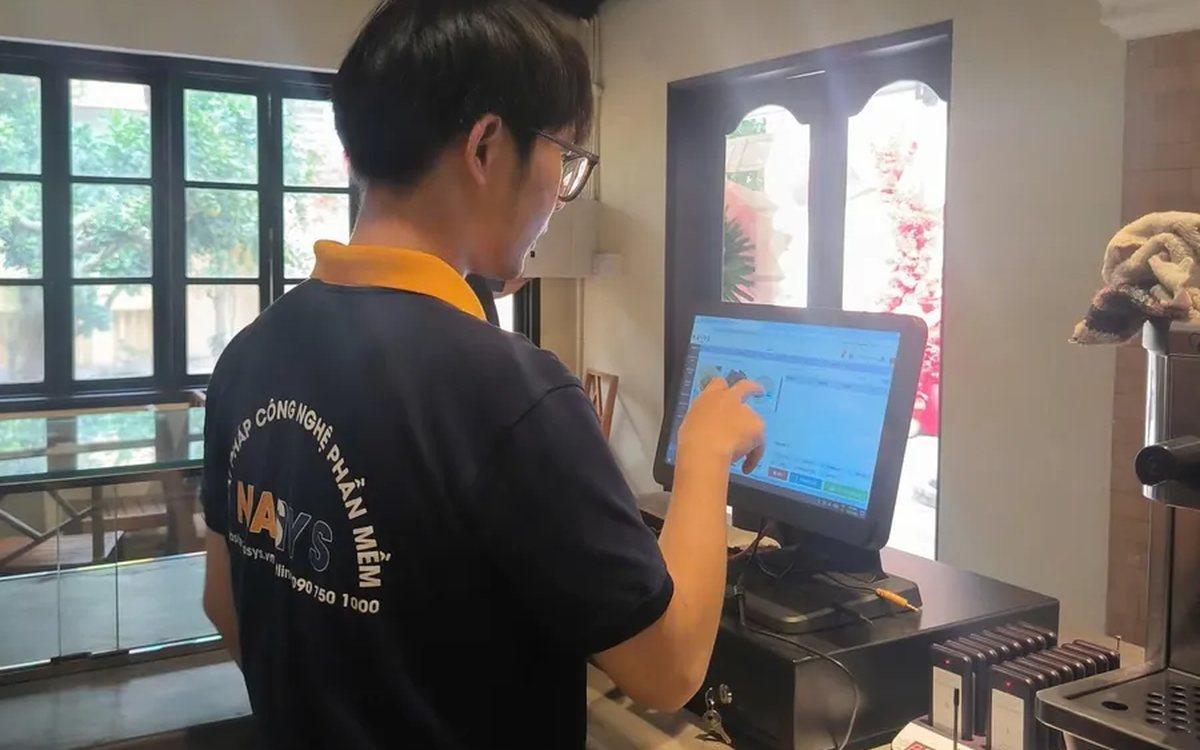
Scan a QR code to order at the table: guests order for themselves, the restaurant needs fewer staff
When guests scan a QR code to order at the table, handing out menus, taking orders, running tickets to the kitchen and answering "where is our food?" move to the guest. This guide separates what guests do themselves, what staff still have to do, how to rearrange shifts by table zone, and where things slip when the restaurant runs with fewer people.
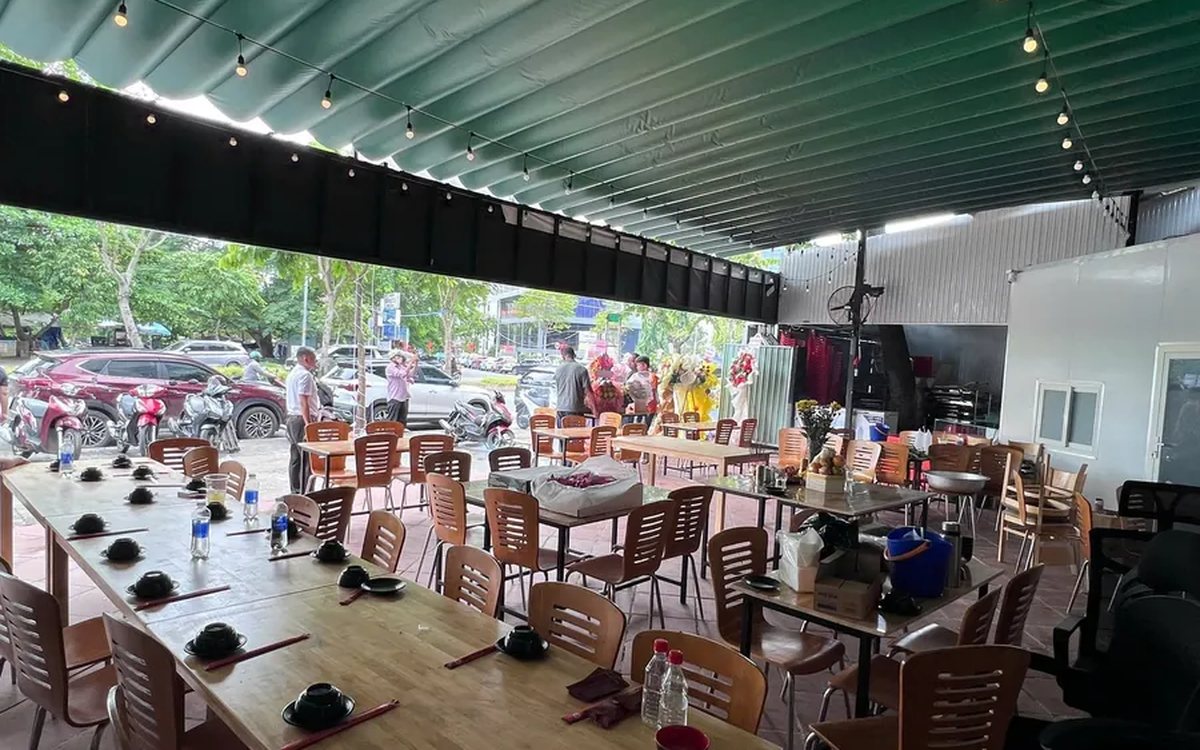
Ordering software for wedding banquet restaurants: serving many tables at once without the bill going wrong
A thirty-table wedding banquet usually goes wrong on the extras: drinks added mid-party, tables set up at the last minute, dishes sent to the kitchen twice, deposits remembered by word of mouth. This guide puts the whole banquet into one order from a multi-table booking or by merging tables, takes extra orders by phone, sends only new items to the kitchen, and settles with the host using a provisional bill, surcharges and automatic deposit deduction.
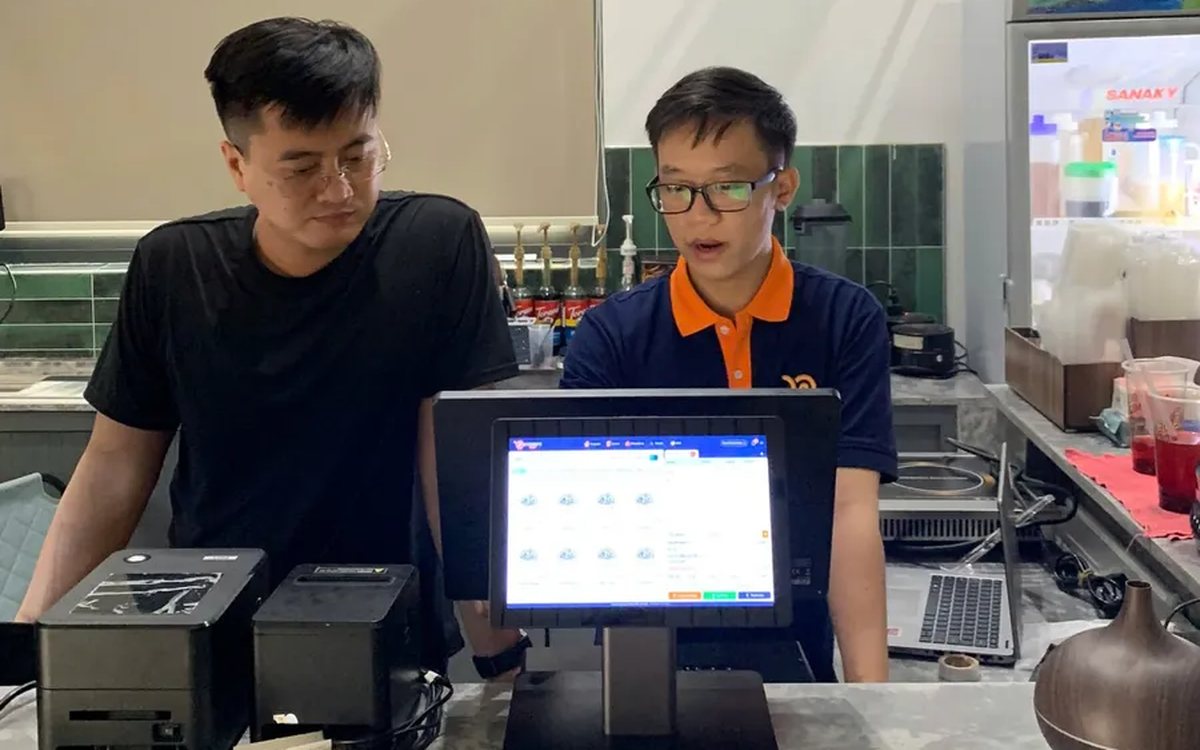
Complete coffee shop management software: how ordering, checkout, inventory and reports connect
Complete coffee shop management software is not a long feature list but ordering, checkout, inventory and reports working together: ring up one cup and the money goes into the right shift, ingredients are deducted by recipe and the end-of-day report updates itself. The article follows one cup through four stages, shows four common break points and the order to switch things on.
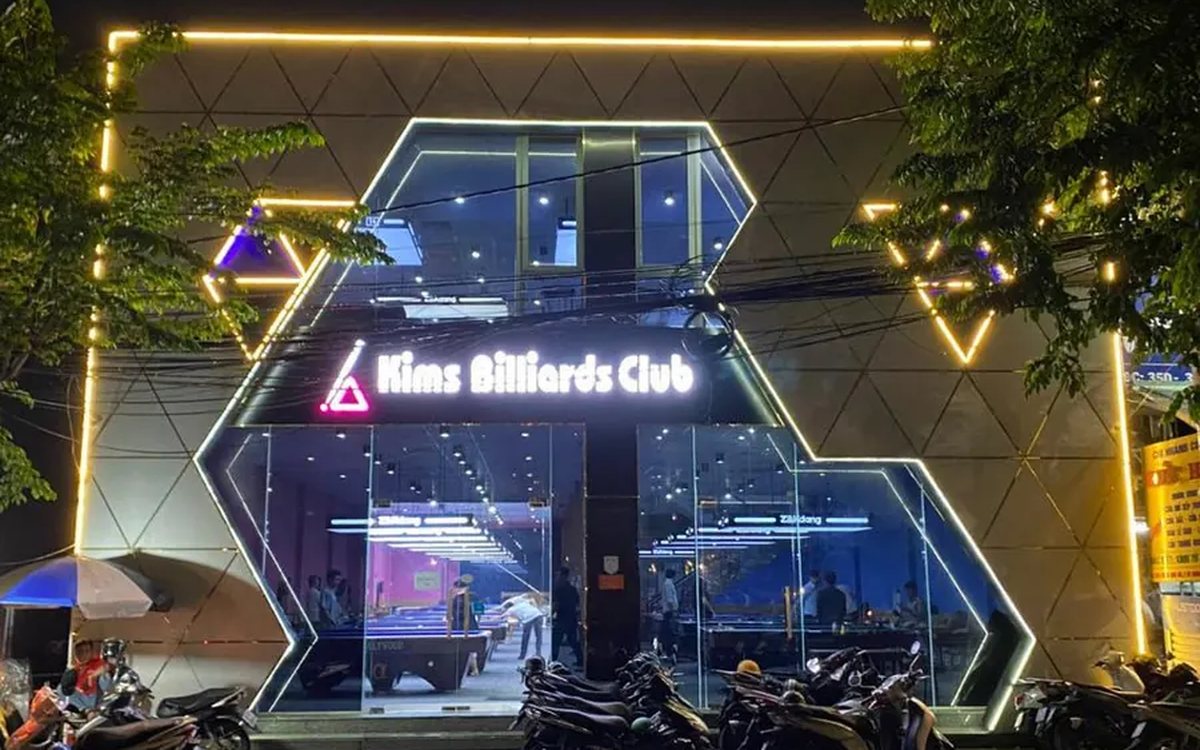
Billiards management software for a small new club: what to set up before opening day
For a new billiards club with five to ten tables, where the owner works the counter and starts the clocks, the software needs to do a few things right: set up tables, hourly rates, the menu and QR codes before opening; let players order drinks themselves and have table lights follow playing time; use camera highlights to get the club known; and after the first month read reports by table, debts and shift close.
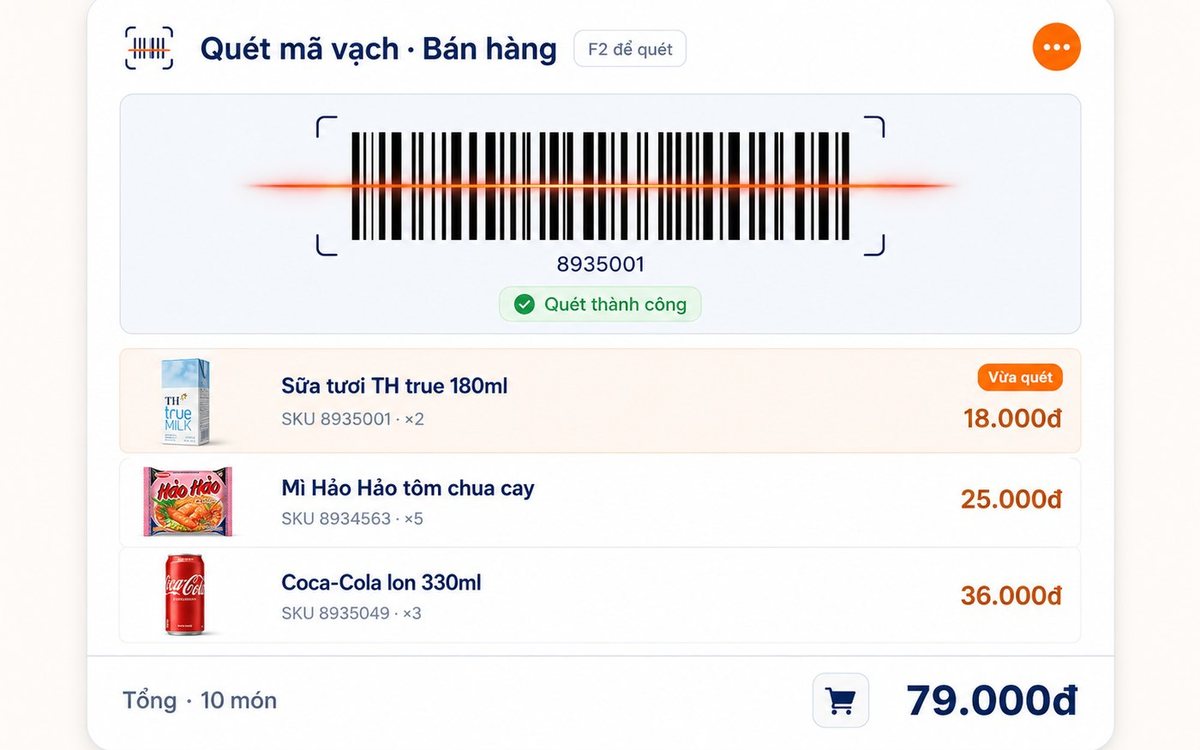
Retail order management software: counter sales and online orders in one place
Counter orders, phone and Zalo orders, and orders from the store's web shop all go into one order book in Ordersys. Each online order moves through five clear statuses, delivery requires the address, delivery time and delivery person, customers track their own order, and there is no adding up two places at the end of the day.

Spa and hair removal appointment software with no double bookings
Hair removal sessions are short, tightly packed and crowded into one machine room, so they clash easily. Each Ordersys appointment records the time, duration, room/bed and therapist; on save the software checks for room clashes, therapist clashes and therapists busy in the spa, adds bed turnover time, and shows exactly which booking is holding the slot.
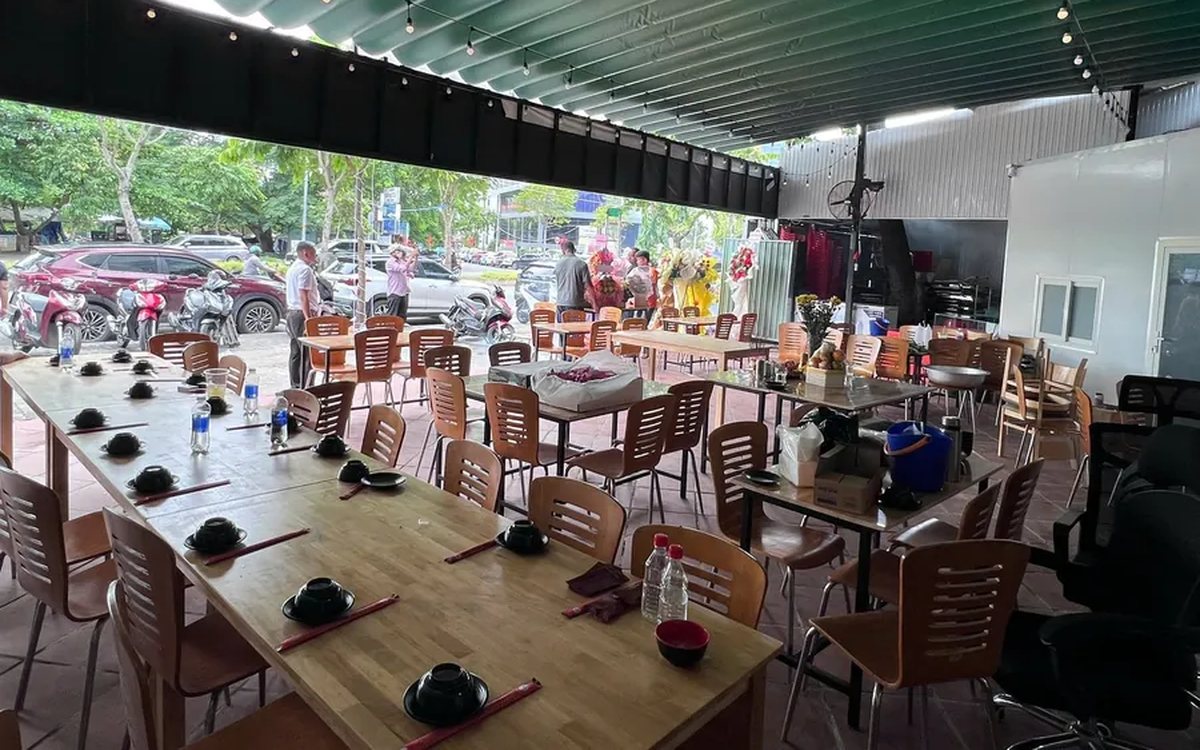
QR table ordering software for restaurants and eateries
One round of QR ordering in Ordersys goes through five steps: the guest scans the code on the table, picks dishes with options and notes, sends the order (with or without a confirmation step), the kitchen and bar receive it, and the guest reopens the page to check the order and order more. Plus a list of what to set up before putting codes on tables.
Ordersys or KiotViet? A Straight Comparison to Choose Right
An honest Ordersys vs KiotViet comparison by real needs: retail, services, billiards, QR ordering, automatic payment — choose right, not the wrong fit.