With a single outlet, staffing fits inside the owner's head: who works which shift, who keeps asking for days off, who is due a raise this month. By the third location memory stops working, and what usually replaces it is three Excel files on three different computers. At that point the owner of the chain cannot answer two simple questions: how many people does the chain employ, and how much did it spend on staff last month. This article is about building one shared HR system across several outlets — that is, how to split the work between the chain owner and each outlet manager.
One employee record, shared by the whole chain
The first step in merging those three files is accepting one principle: each person has a single record in the system, attached to the outlet they currently work at rather than owned by it. That way, when a server moves from outlet A to outlet B, the record travels with the person: documents, contract and expiry date, job title, base pay and allowances, raise history, transfer history. Nobody re-enters anything, and nobody exists twice on two payrolls.
A central record also keeps hold of things that slip away in a busy shop: contracts nearing expiry and staff nearing the end of probation are flagged in advance, instead of being discovered when the paperwork is suddenly needed — see managing employment contracts and renewal reminders.
What stays with the outlet, what stays with the owner
Chains tend to fail at one of two extremes: the owner holds everything, so every leave request waits for them, or lets go of everything, so each outlet invents its own rules. The split below is the level most restaurant and cafe chains of a few outlets find liveable.
| Task | Who does it |
|---|---|
| Weekly rosters, approving swaps and short leave | The outlet manager. Only someone on site knows which shift is short-handed. |
| Creating records, signing contracts, setting pay and allowances | The owner or the accountant. This is where money is created, so no outlet decides alone. |
| Attendance rules: standard hours, overtime rates, lateness penalties | The owner sets the common frame; each outlet adjusts only what genuinely differs. |
| Closing the monthly timesheet | The outlet manager approves first, the accountant reviews and locks it. |
| Viewing payroll and chain-wide staff cost | The owner and the accountant only. |
Splitting the work on paper is not enough; the software has to enforce it. Permissions by store mean the manager of outlet A opens the system and sees only outlet A's people, with no access to outlet B's pay. The principle is the same as in permissions in sales software: everyone sees what they need — not out of suspicion, but because the fewer people who see salary figures, the fewer arguments there are.
A common frame, with each outlet still slightly different
A cafe opens at 6 a.m. while a beer restaurant in the same chain closes at 1 a.m. — forcing both onto one rule set only makes life harder. Rules can be configured per branch, so the late-night outlet carries a night-shift allowance while the morning one does not, and standard hours per shift differ too. What stays common is the method: overtime, lateness and early leaving all come from attendance data under the configured rules, with nobody typing them in. Staff file leave, shift swaps and overtime requests on their phones, and managers approve on theirs, the way approving leave, swaps and overtime describes.
Month-end: one payroll, cost split by outlet
The point of the whole system is that month-end becomes reading rather than typing. Payroll is drafted from recorded attendance: base pay, overtime, allowances, commission taken straight from sales, insurance and deductions. Payslips go to each person individually so they can check their own, and the accountant exports a bulk transfer file instead of retyping account numbers.
- Labour cost is split by outlet; placed next to that outlet's revenue, it shows which location is carrying too many people.
- Odd lines — a missing clock-out, unapproved overtime, edits after closing — should be checked straight away, following the list in where month-end payroll usually goes wrong.
- Every edit records who made it and when, which is enough to explain things when an employee queries their pay.
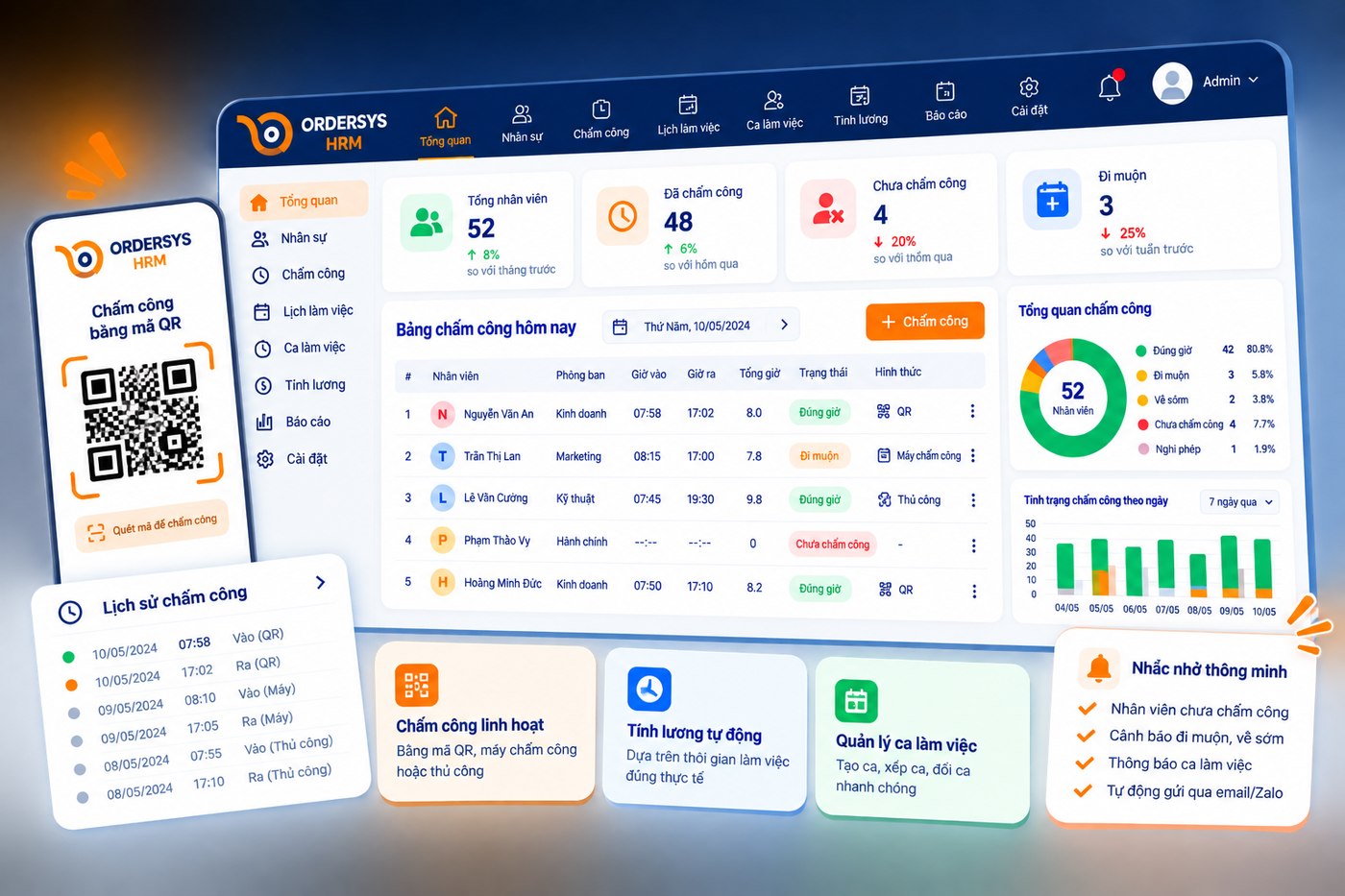
Ordersys HRM is built for businesses with no dedicated HR department: records and contracts, QR attendance, rosters, leave, payroll with allowances and deductions, individual payslips, permissions by store and staff-cost reporting by branch. Extra branches cost nothing extra. See the details on the HRM software page and try it free for 7 days.
Read more: attendance when staff move between branches · running a multi-store chain: which numbers to watch.
Checkout in a few taps, print cup labels with toppings, send drinks to the bar screen and issue e-invoices from the POS.
Other news
Sales software for household businesses that fits the new rules
From 2026 household businesses no longer pay presumptive tax and declare based on actual revenue; stores with revenue of 1 billion VND/year or more selling directly to consumers must use e-invoices generated from cash registers. This guide summarises the regulatory milestones that affect retail stores and what sales software must do: record every order, issue e-invoices, report by period, keep purchase records and track debts.
Scan a QR code to order at the table: guests order for themselves, the restaurant needs fewer staff
When guests scan a QR code to order at the table, handing out menus, taking orders, running tickets to the kitchen and answering "where is our food?" move to the guest. This guide separates what guests do themselves, what staff still have to do, how to rearrange shifts by table zone, and where things slip when the restaurant runs with fewer people.
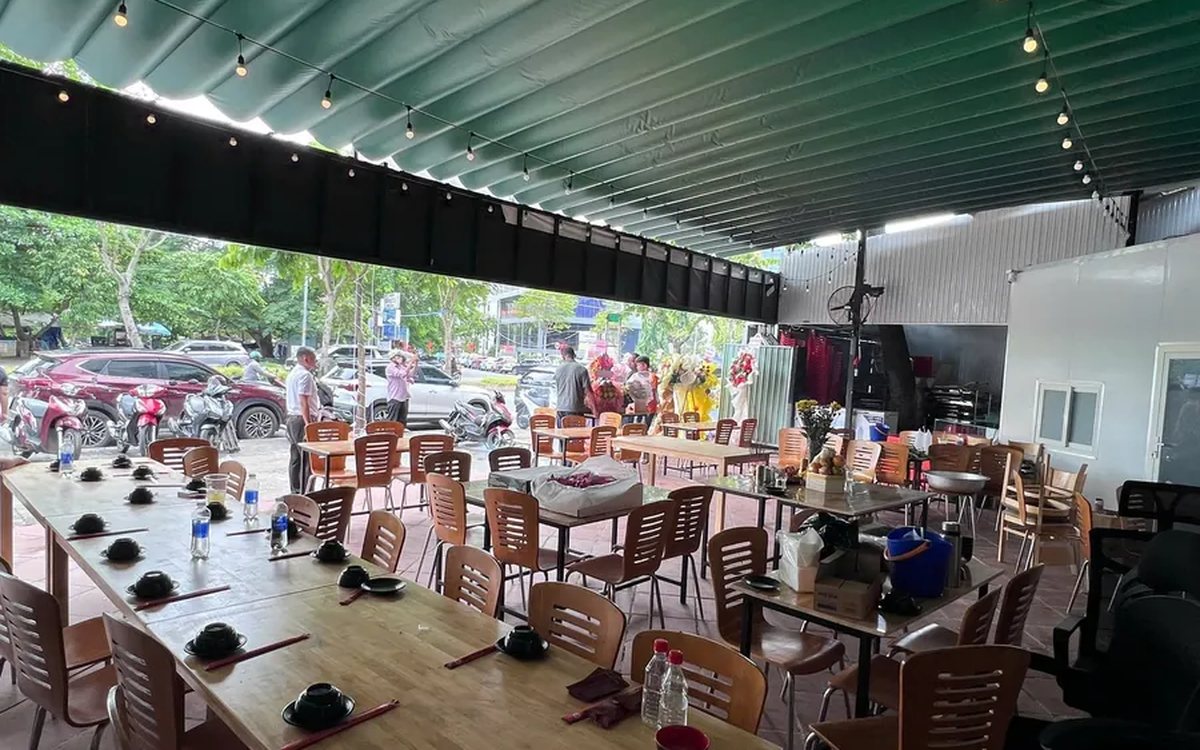
Ordering software for wedding banquet restaurants: serving many tables at once without the bill going wrong
A thirty-table wedding banquet usually goes wrong on the extras: drinks added mid-party, tables set up at the last minute, dishes sent to the kitchen twice, deposits remembered by word of mouth. This guide puts the whole banquet into one order from a multi-table booking or by merging tables, takes extra orders by phone, sends only new items to the kitchen, and settles with the host using a provisional bill, surcharges and automatic deposit deduction.
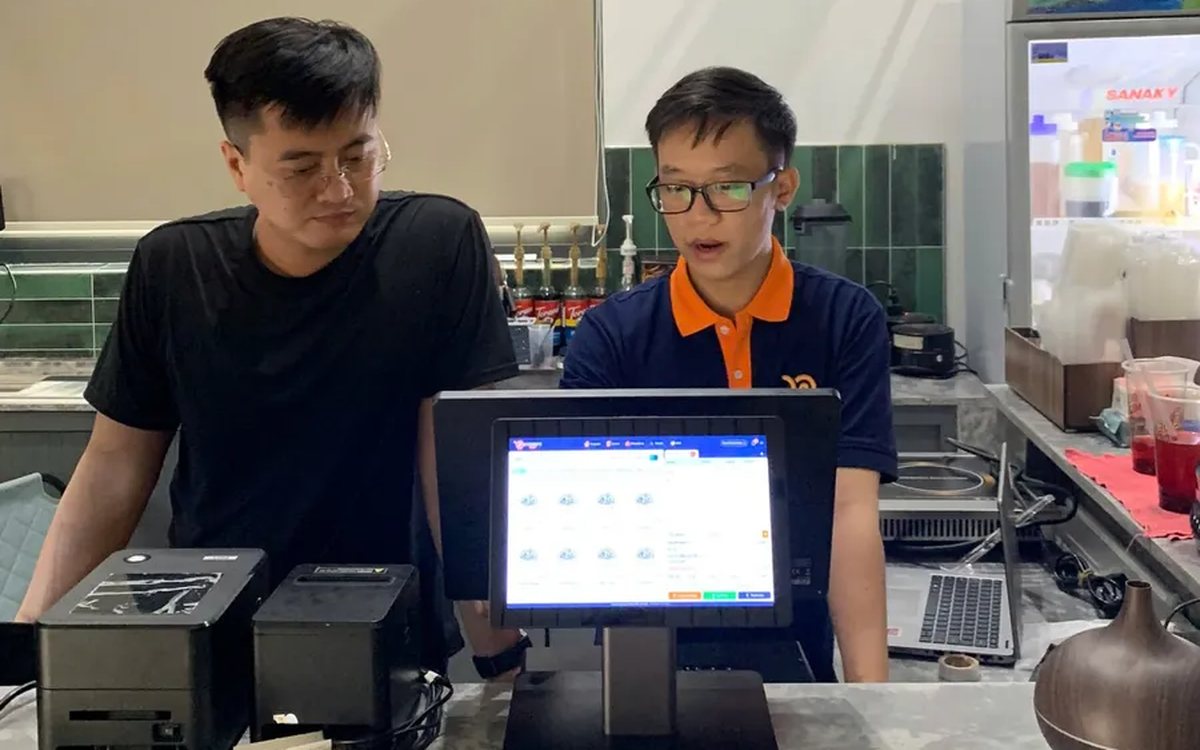
Complete coffee shop management software: how ordering, checkout, inventory and reports connect
Complete coffee shop management software is not a long feature list but ordering, checkout, inventory and reports working together: ring up one cup and the money goes into the right shift, ingredients are deducted by recipe and the end-of-day report updates itself. The article follows one cup through four stages, shows four common break points and the order to switch things on.
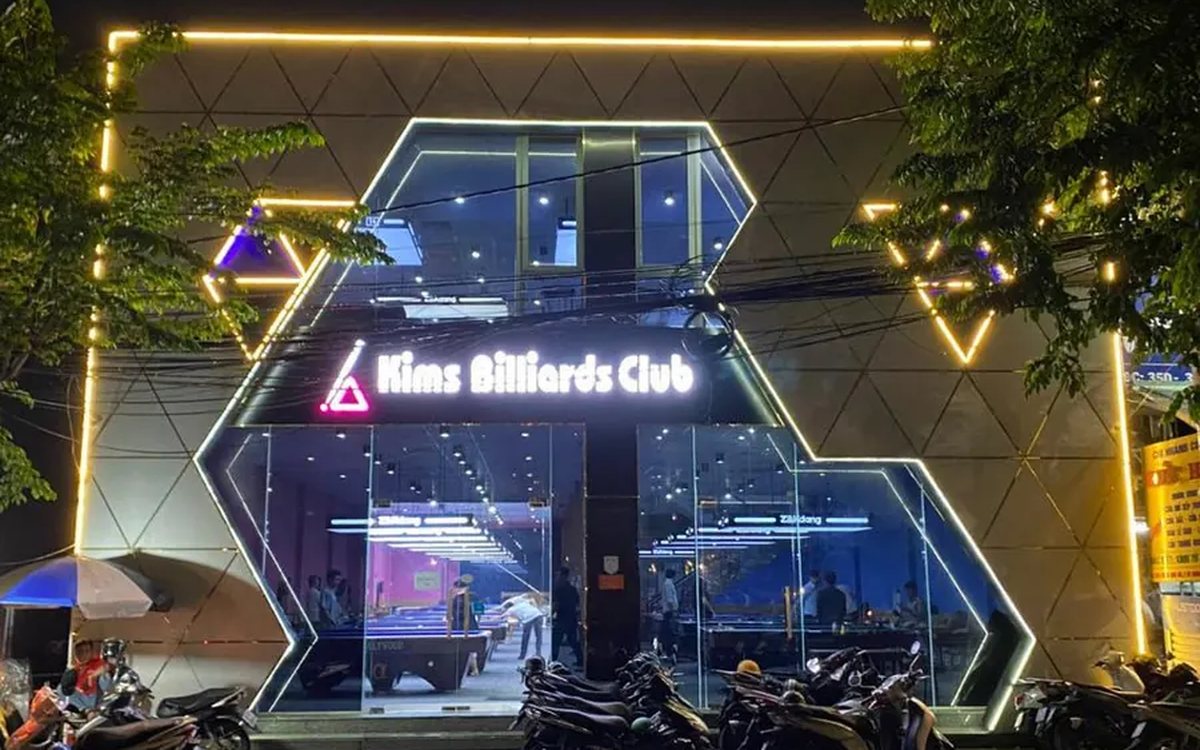
Billiards management software for a small new club: what to set up before opening day
For a new billiards club with five to ten tables, where the owner works the counter and starts the clocks, the software needs to do a few things right: set up tables, hourly rates, the menu and QR codes before opening; let players order drinks themselves and have table lights follow playing time; use camera highlights to get the club known; and after the first month read reports by table, debts and shift close.
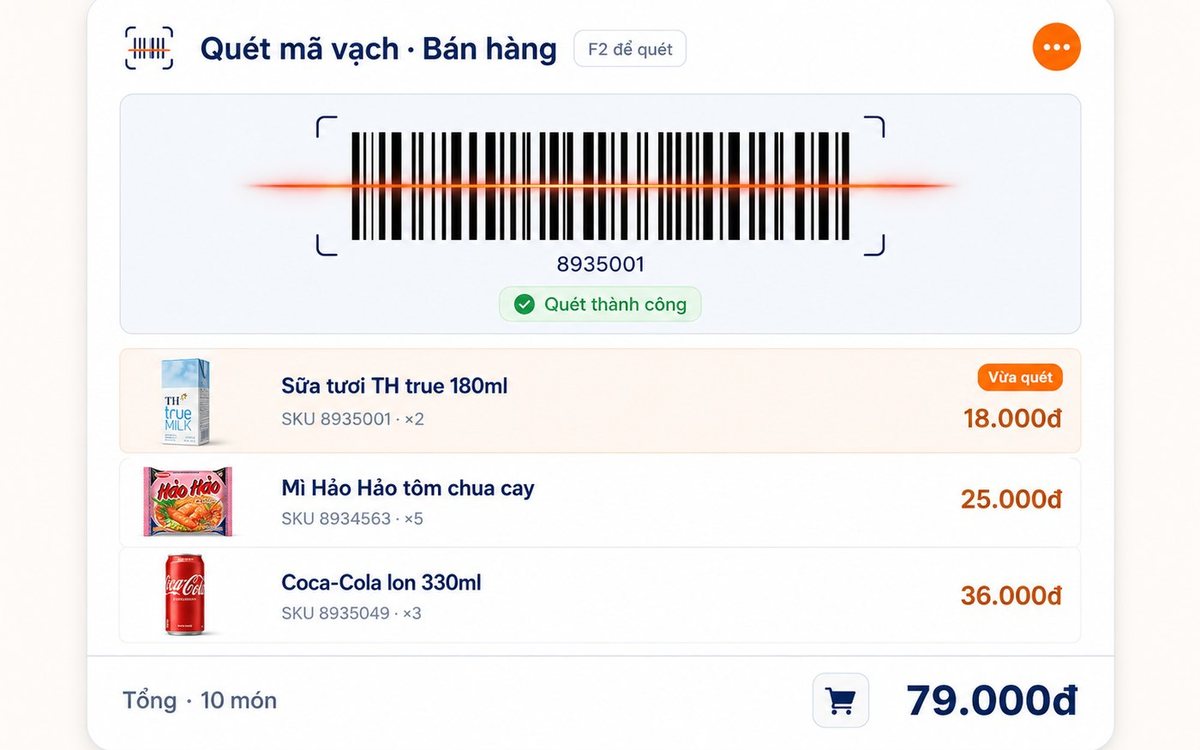
Retail order management software: counter sales and online orders in one place
Counter orders, phone and Zalo orders, and orders from the store's web shop all go into one order book in Ordersys. Each online order moves through five clear statuses, delivery requires the address, delivery time and delivery person, customers track their own order, and there is no adding up two places at the end of the day.

Spa and hair removal appointment software with no double bookings
Hair removal sessions are short, tightly packed and crowded into one machine room, so they clash easily. Each Ordersys appointment records the time, duration, room/bed and therapist; on save the software checks for room clashes, therapist clashes and therapists busy in the spa, adds bed turnover time, and shows exactly which booking is holding the slot.
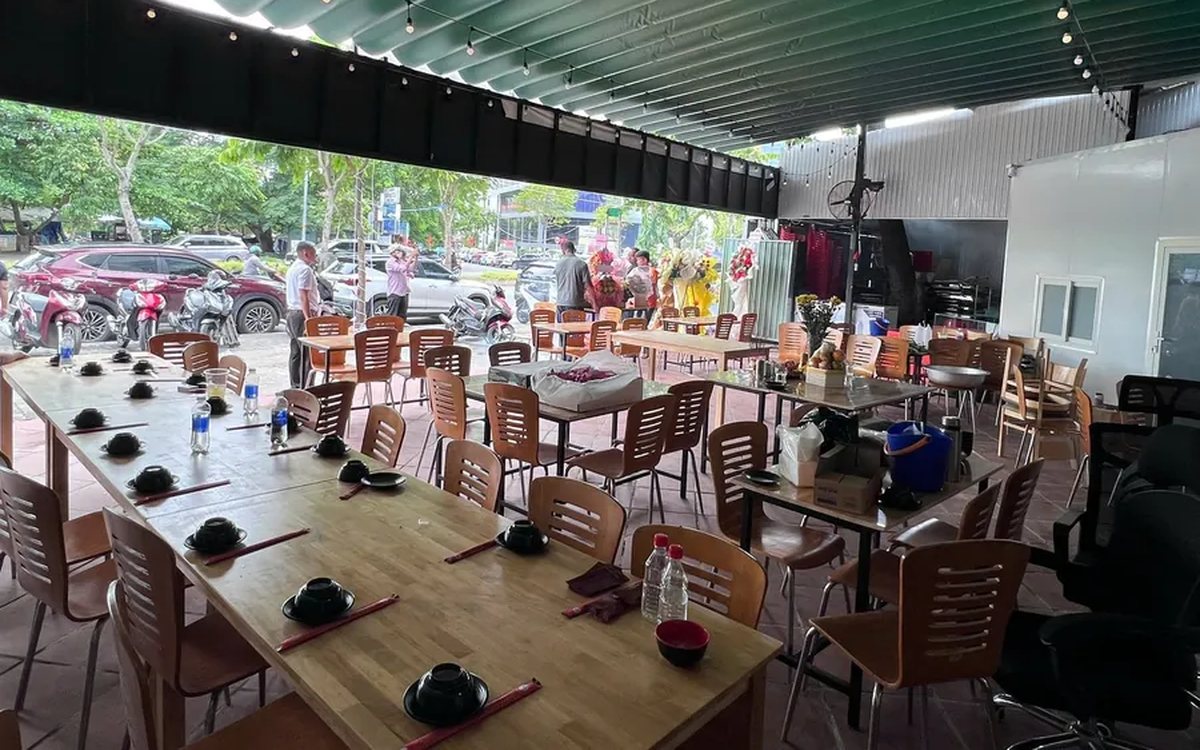
QR table ordering software for restaurants and eateries
One round of QR ordering in Ordersys goes through five steps: the guest scans the code on the table, picks dishes with options and notes, sends the order (with or without a confirmation step), the kitchen and bar receive it, and the guest reopens the page to check the order and order more. Plus a list of what to set up before putting codes on tables.
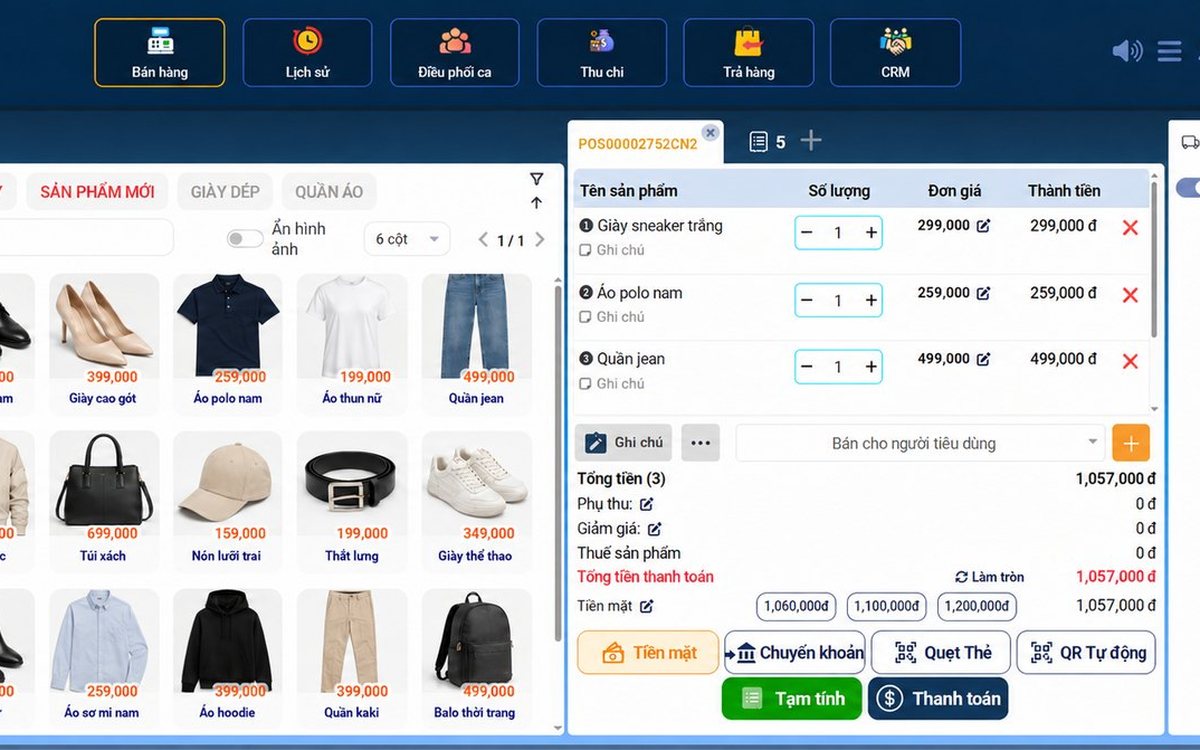
Ordersys or KiotViet? A Straight Comparison to Choose Right
An honest Ordersys vs KiotViet comparison by real needs: retail, services, billiards, QR ordering, automatic payment — choose right, not the wrong fit.