Chạy khuyến mãi thì doanh thu tháng đó thường tăng. Nhưng tăng doanh thu không có nghĩa là có lãi — và phần lớn quán không bao giờ tính lại. Bài này đưa cách tính đúng, kèm bảng tính thử.
Ba sai lầm khi đánh giá một chương trình
- Nhìn doanh thu thay vì lãi. Giảm 20% mà biên lãi gộp chỉ 40% thì phải bán thêm rất nhiều mới bù nổi — con số cụ thể ở bảng dưới.
- Tính cả những người vốn dĩ vẫn mua. Khách ruột tuần nào cũng đến, tuần này có mã giảm giá họ vẫn đến — bạn vừa tặng tiền cho doanh thu đằng nào cũng có.
- Chỉ nhìn trong thời gian chạy. Nhiều chương trình kéo đơn từ tháng sau về tháng này, hết khuyến mãi là tháng sau hụt.
"Phần tăng thêm vốn dĩ vẫn có" là tỉ lệ của phần doanh thu tăng lên mà đằng nào cũng có dù không chạy khuyến mãi — ví dụ do mùa vụ, do khách quen. Đây là con số hay bị bỏ qua nhất và là lý do nhiều chương trình trông hiệu quả hơn thực tế.
Con số cần nhớ: giảm giá đắt hơn bạn tưởng
Giảm 10% trên hàng có biên lãi gộp 40% nghĩa là bạn mất một phần tư lãi mỗi đơn. Để tổng lãi không giảm, số đơn phải tăng khoảng một phần ba. Bảng trên tính sẵn tỉ lệ này theo số của bạn.
Bốn thứ nên đo, ngoài doanh thu
- Số khách mới thật sự — người chưa từng mua bao giờ.
- Tỉ lệ khách mới quay lại sau đợt. Đây mới là thước đo chương trình có xây được gì lâu dài không.
- Giá trị hoá đơn trung bình. Nếu giảm so với bình thường, khuyến mãi chỉ đang kéo người săn giá rẻ.
- Doanh thu tháng kế tiếp. Hụt mạnh nghĩa là bạn vay đơn của tương lai.
Cách chạy đỡ tốn hơn
- Chỉ gửi cho nhóm đã lâu chưa quay lại, đừng gửi cho khách đang mua đều — xem cách làm khách cũ quay lại.
- Đặt hạn dùng ngắn để đo được rõ ràng và tạo lý do đi ngay.
- Ưu tiên tặng hàng hơn giảm tiền với mặt hàng biên lãi mỏng.
- Đặt mức chi tối thiểu để nâng giá trị hoá đơn thay vì giảm nó.
CRM Ordersys phân biệt được khách mới và khách cũ trong từng đợt, nên bạn biết doanh thu tăng thêm đến từ người mới hay chỉ là khách quen dùng mã giảm giá — con số mà báo cáo doanh thu thường không tách ra được.
Ordersys has editions for restaurants and for retail stores: checkout, stock, reports and e-invoices, with on-site setup and training.
Other news
Sales software for household businesses that fits the new rules
From 2026 household businesses no longer pay presumptive tax and declare based on actual revenue; stores with revenue of 1 billion VND/year or more selling directly to consumers must use e-invoices generated from cash registers. This guide summarises the regulatory milestones that affect retail stores and what sales software must do: record every order, issue e-invoices, report by period, keep purchase records and track debts.
Scan a QR code to order at the table: guests order for themselves, the restaurant needs fewer staff
When guests scan a QR code to order at the table, handing out menus, taking orders, running tickets to the kitchen and answering "where is our food?" move to the guest. This guide separates what guests do themselves, what staff still have to do, how to rearrange shifts by table zone, and where things slip when the restaurant runs with fewer people.
Ordering software for wedding banquet restaurants: serving many tables at once without the bill going wrong
A thirty-table wedding banquet usually goes wrong on the extras: drinks added mid-party, tables set up at the last minute, dishes sent to the kitchen twice, deposits remembered by word of mouth. This guide puts the whole banquet into one order from a multi-table booking or by merging tables, takes extra orders by phone, sends only new items to the kitchen, and settles with the host using a provisional bill, surcharges and automatic deposit deduction.
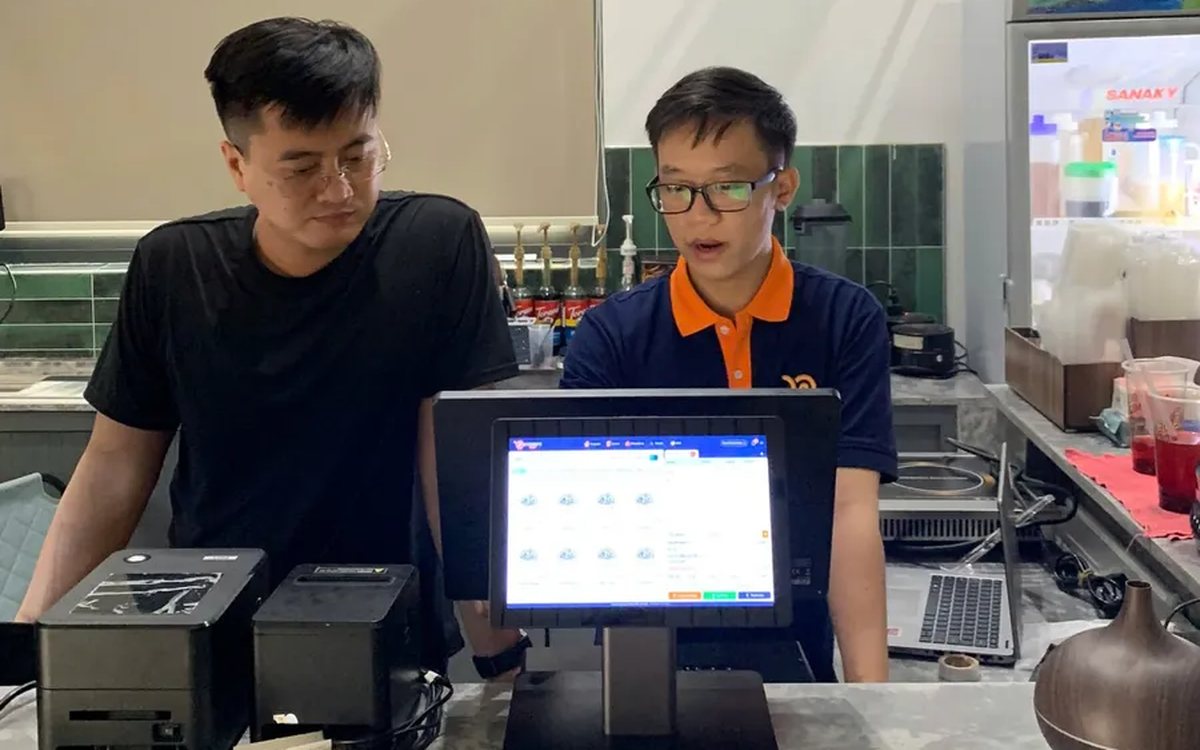
Complete coffee shop management software: how ordering, checkout, inventory and reports connect
Complete coffee shop management software is not a long feature list but ordering, checkout, inventory and reports working together: ring up one cup and the money goes into the right shift, ingredients are deducted by recipe and the end-of-day report updates itself. The article follows one cup through four stages, shows four common break points and the order to switch things on.
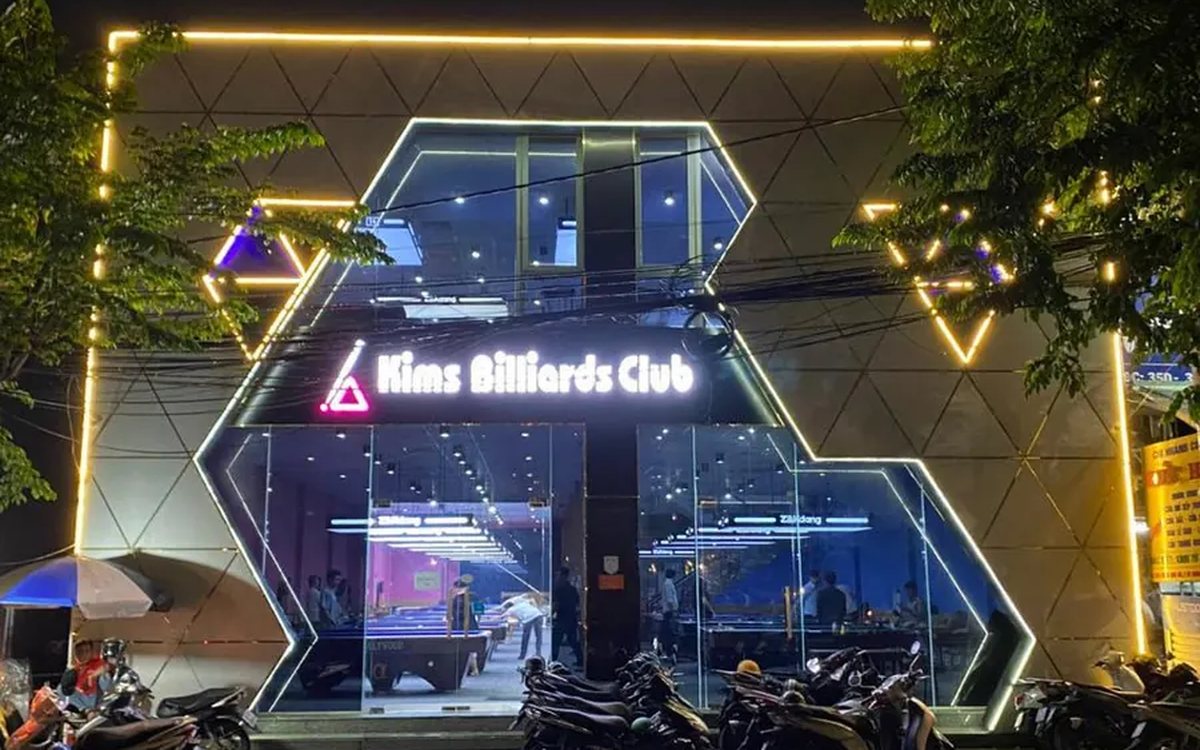
Billiards management software for a small new club: what to set up before opening day
For a new billiards club with five to ten tables, where the owner works the counter and starts the clocks, the software needs to do a few things right: set up tables, hourly rates, the menu and QR codes before opening; let players order drinks themselves and have table lights follow playing time; use camera highlights to get the club known; and after the first month read reports by table, debts and shift close.
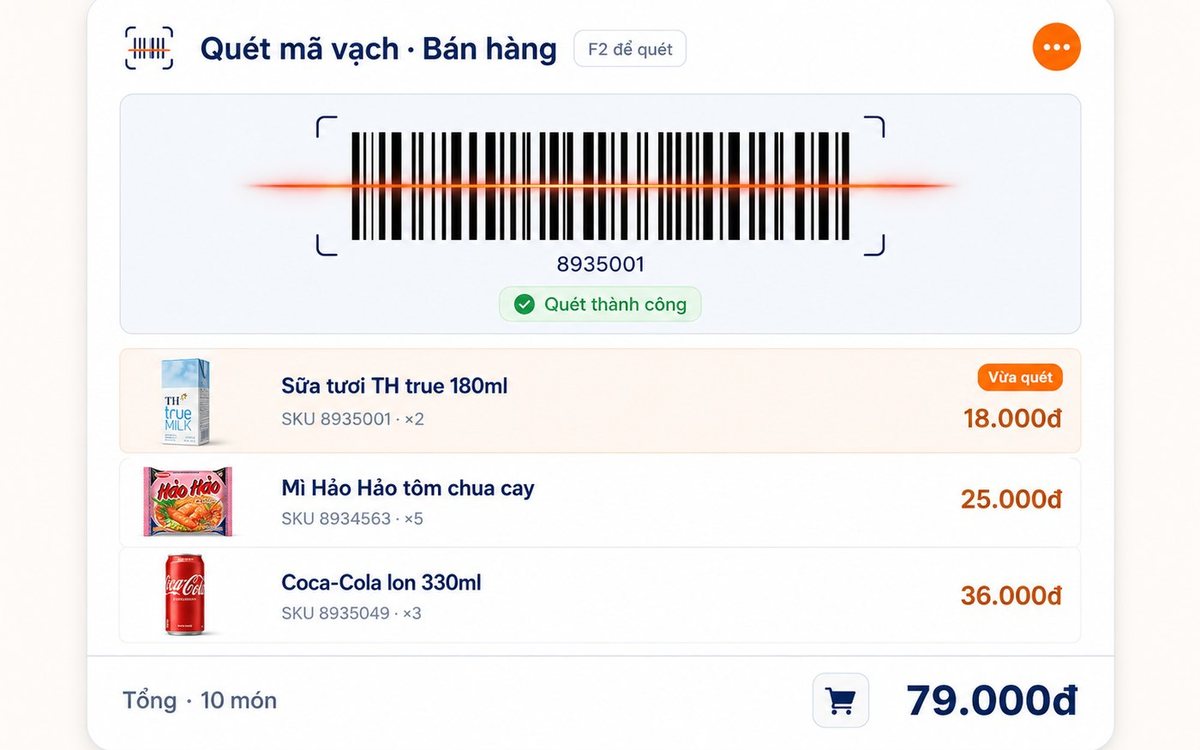
Retail order management software: counter sales and online orders in one place
Counter orders, phone and Zalo orders, and orders from the store's web shop all go into one order book in Ordersys. Each online order moves through five clear statuses, delivery requires the address, delivery time and delivery person, customers track their own order, and there is no adding up two places at the end of the day.
Spa and hair removal appointment software with no double bookings
Hair removal sessions are short, tightly packed and crowded into one machine room, so they clash easily. Each Ordersys appointment records the time, duration, room/bed and therapist; on save the software checks for room clashes, therapist clashes and therapists busy in the spa, adds bed turnover time, and shows exactly which booking is holding the slot.
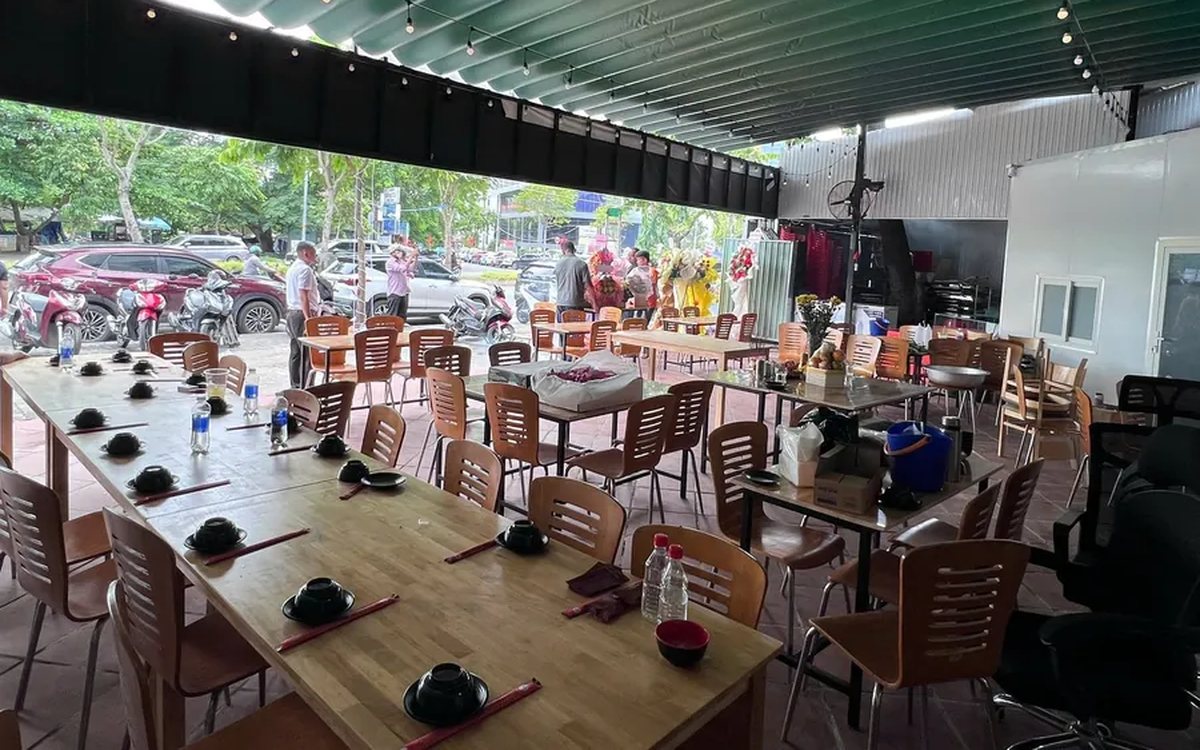
QR table ordering software for restaurants and eateries
One round of QR ordering in Ordersys goes through five steps: the guest scans the code on the table, picks dishes with options and notes, sends the order (with or without a confirmation step), the kitchen and bar receive it, and the guest reopens the page to check the order and order more. Plus a list of what to set up before putting codes on tables.
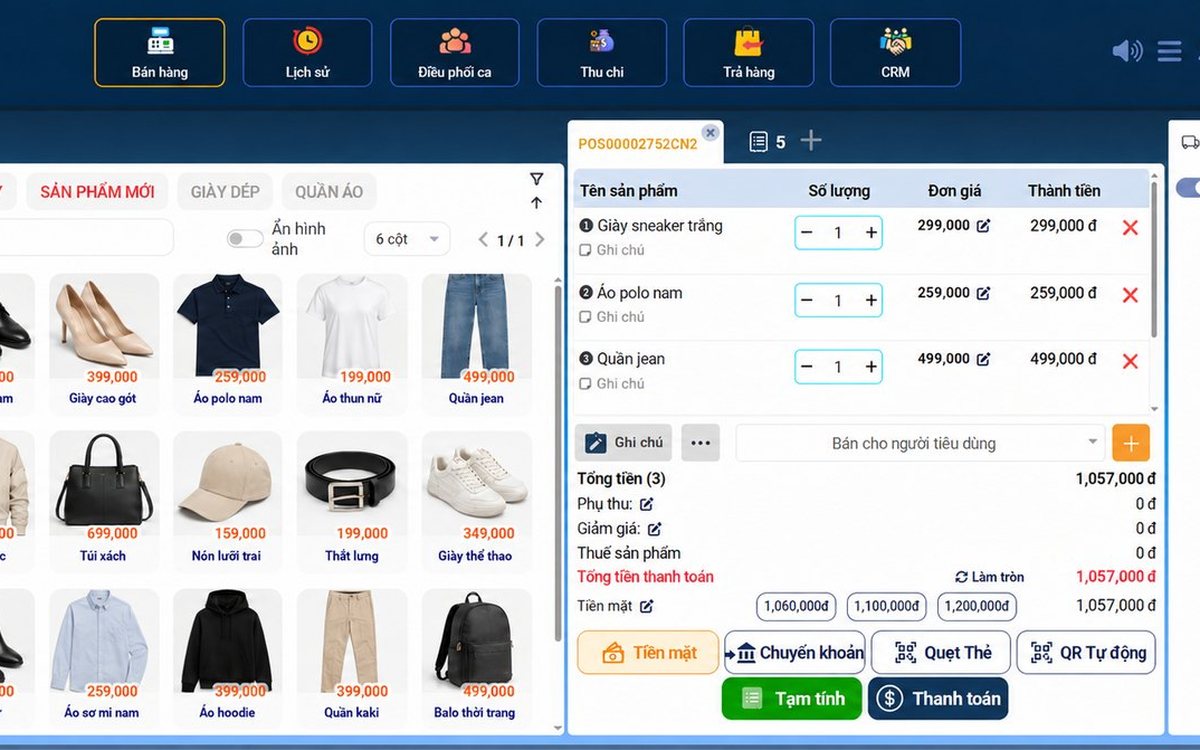
Ordersys or KiotViet? A Straight Comparison to Choose Right
An honest Ordersys vs KiotViet comparison by real needs: retail, services, billiards, QR ordering, automatic payment — choose right, not the wrong fit.